


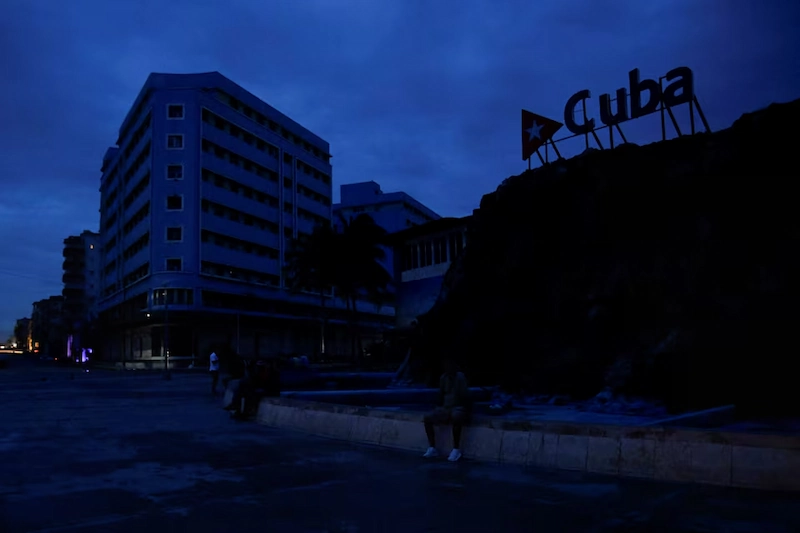


Cuba is grappling with a severe electricity crisis as the country works to repair its grid following a second collapse in just 24 hours. While some progress has been made in restoring power to hospitals and parts of Havana, the majority of the island's population remains without electricity. Traffic lights stand dark, businesses are at a standstill, and long lines form at shops for basic necessities.
Lazaro Guerra, Cuba's top electricity official, stated that efforts are underway to boost the system's capacity and restart power plants to bring back electricity to more areas. Despite this, the timeline for full restoration remains uncertain. Confusion arose after reports of a second grid collapse, with officials mentioning a localized setback rather than a complete failure.
The root causes of Cuba's electricity woes are multifaceted, including infrastructure deterioration, fuel shortages, and escalating demand. Recent wind conditions from Hurricane Milton also hindered fuel deliveries to power plants. Compounded by reduced fuel exports from key allies like Venezuela, the country faces ongoing challenges in securing fuel supplies.
The United States has denied any involvement in the grid collapses, with Cuban officials attributing the crisis in part to U.S. sanctions and the trade embargo. Foreign vice minister Carlos Fernandez de Cossio criticized those hoping to see Cuba weakened, stressing the resilience of the country's workforce in overcoming adversity.
As Cuba navigates this critical situation, its people display a remarkable resilience in the face of hardship. Despite the disruptions, many like René Duarte continue to adapt and persevere. The nation's journey to restore power and address long-standing energy challenges underscores the need for sustainable solutions to ensure a reliable electricity supply for all Cubans.