




Chile’s upcoming local elections are poised to shape the country’s political landscape, serving as a battleground between traditional right-wing parties and the emergent ultra-conservative Partido Republicano. This contest will not only determine local leadership but also foreshadow the dynamics of the upcoming presidential race, where the right may face a formidable coalition of far-left and center-left factions.
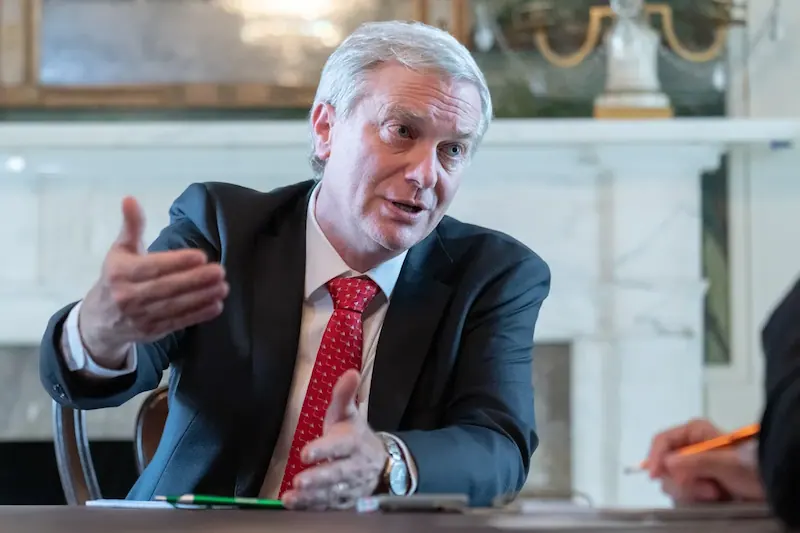
The elections represent a crucial moment for the Partido Republicano, which has rapidly risen to national prominence since its formation in 2019. Led by Jose Antonio Kast, a key presidential contender, the party echoes global right-wing figures like Jair Bolsonaro and Donald Trump, focusing on issues such as immigration and crime. Positioned as a sharp contrast to the center-right Chile Vamos coalition, the Partido Republicano’s performance in this election could significantly shape the political discourse leading up to next year’s presidential vote.
As Chileans prepare to cast their votes, analysts anticipate a split between the right-wing factions, with both sets likely to secure significant municipal and regional victories. However, the Partido Republicano’s performance is anticipated to be a defining factor, potentially positioning the party as a frontrunner in the presidential race.
Beyond the overarching political dynamics, specific races will draw attention. The outcome of the Santiago Metropolitan Region governor election, especially if won by independent candidate Claudio Orrego, could significantly influence the presidential race. President Gabriel Boric’s Frente Amplio party will closely monitor key mayoral races, such as the campaign of Tomas Vodanovic in Maipu, as well as the results in districts like Ñuñoa and Viña del Mar where their members currently hold mayoral offices.
Additionally, observers will keep a close watch on the Partido Social Cristiano, a relatively new party representing Chile’s Evangelical community. Their performance in these elections could reflect the growing influence of this demographic, which accounted for a significant portion of the population in recent years.
Ultimately, Chile’s local elections will not only determine local governance but also set the stage for a potential political realignment in the lead-up to the presidential contest. The results on Sunday night are expected to offer insights into the shifting dynamics and power structures within the country’s political landscape.