


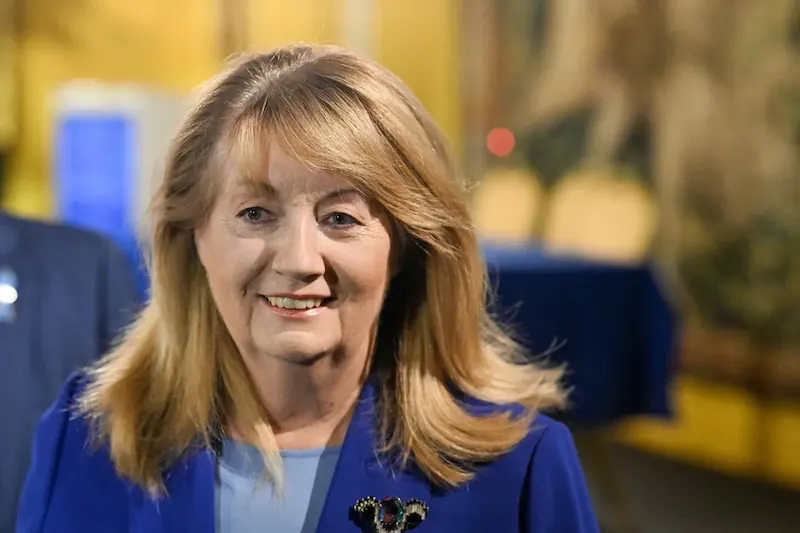


In a surprising turn of events, Vilija Blinkeviciute, the leader of Lithuania’s Social Democratic Party, has declined to take on the role of prime minister despite her party's recent election victory. Citing health and age as her reasons for stepping down during the party’s meeting, she has left her colleagues and the nation stunned. This decision marks the third consecutive election in which the head of the winning party has opted out of leading the government, creating uncertainty within the Lithuanian political landscape.
Blinkeviciute, known for her popular policies during her previous tenure as social affairs minister, had been widely expected to assume the role of prime minister. However, her abrupt refusal has thrown a wrench into the plans, prompting the party to propose member of parliament Gintautas Paluckas as an alternative candidate for the top government post.
The unexpected move has drawn criticism from the media and the public, with many questioning the leader's earlier assurances during the election campaign. Despite initially indicating her willingness to lead the government if the party emerged victorious, Blinkeviciute’s reversal has left many disillusioned.
With the Social Democrats securing 52 seats in Lithuania’s parliament, they are now faced with the task of coalition building. Paluckas, the proposed candidate for the premiership, has stated the party's intention to initiate talks with other political entities in order to form a working government. As the nation grapples with this unforeseen development, the future of Lithuania's governance remains uncertain.