


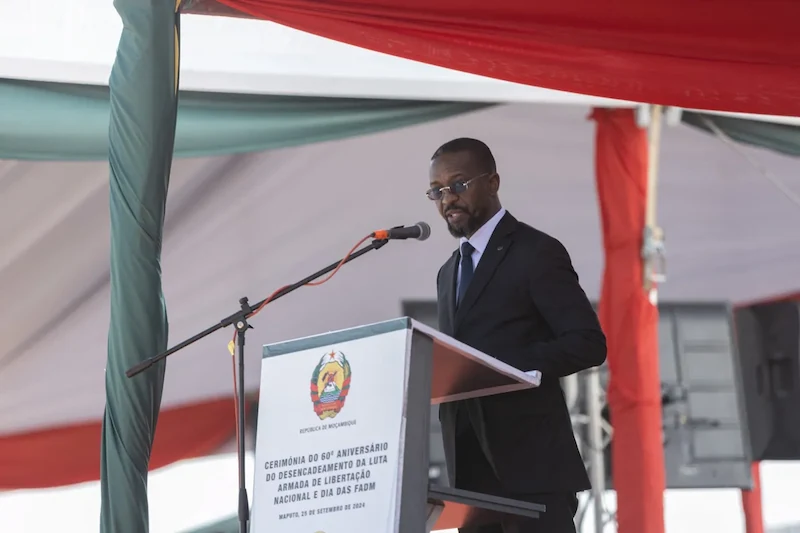


In the wake of Mozambique's disputed election, Defense Minister Cristóvão Chume issued a warning about potential attempts by unidentified individuals to seize power in the country. He assured that the security forces are prepared to safeguard national interests while emphasizing a commitment to peace and non-interference in political affairs. Chume stressed the importance of political dialogue and upholding the constitution amidst heightened tensions following the October election, which extended the ruling party's long-standing tenure.
The international community, including the European Union, has raised concerns over irregularities in the election process, fuelling unrest and protests across Mozambique. Opposition candidate Venâncio Mondlane has mobilized supporters for a planned march on the capital, Maputo, in a bid to challenge the election results. However, the demonstrations have turned violent, resulting in casualties and prompting investigations into potential excessive use of force by security forces.
Moreover, neighboring South Africa has closed the Lebombo border crossing due to reports of vehicle fires on the Mozambican side, disrupting the key metals-trade route. The closure has been recommended to all stakeholders until stability is restored, highlighting the regional impact of Mozambique's political turmoil.
As tensions escalate, Mondlane has pledged to return to Mozambique to lead the peaceful protest march, emphasizing the importance of non-violent demonstrations. International embassies have echoed calls for restraint and respect for the rule of law and human rights, emphasizing the need for transparent electoral processes and peaceful assembly.
In light of the unrest, Mozambique has faced internet restrictions since late October, drawing criticism from local advocacy groups for curbing freedom of information. President Filipe Nyusi has urged calm, signaling the need for stability and constructive dialogue in the midst of the country's political upheaval.