




Hungary's decision to reduce military spending comes at a critical juncture as global security concerns mount and NATO continues to emphasize the importance of member countries meeting their defense targets. With plans to decrease defense expenditures to below 2% of GDP next year, Hungary is diverging from the upward trend seen in other eastern European nations like the Baltic states and Poland.
Prime Minister Viktor Orban, known for his alignment with former US President Donald Trump's views on NATO financing, now finds himself in a challenging position as his country navigates economic turmoil and political pressures. The need to prioritize stimulus measures and address a looming recession has forced Hungary to make tough decisions, including scaling back military investments despite the ongoing conflict in neighboring Ukraine.
The Defense Ministry's silence on the issue raises questions about the reasoning behind the proposed cuts, especially given Hungary's proximity to the conflict zone. While Orban's government has previously ramped up defense spending to strengthen national security, the current economic constraints and political environment have prompted a shift in priorities.
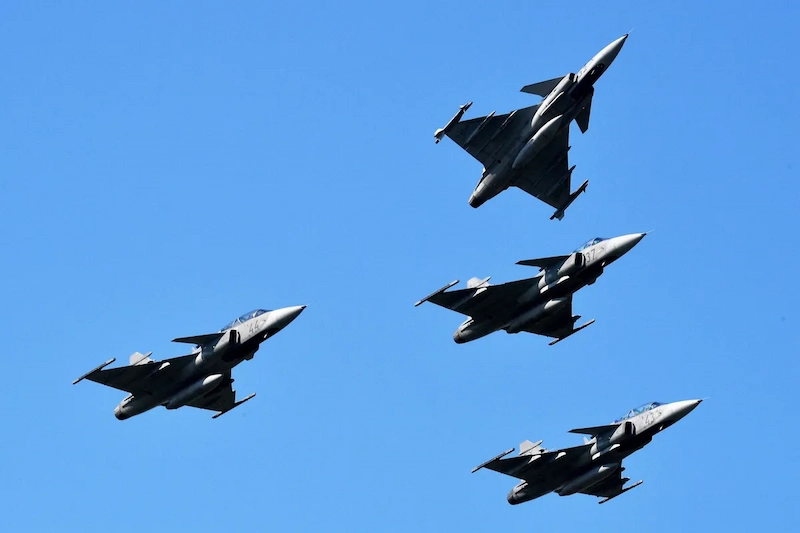
Despite past acquisitions of advanced military equipment, such as Leopard tanks and Gripen fighter jets, Hungary's focus now seems to be on domestic challenges rather than external threats. The potential consequences of reducing defense spending, including scrutiny from the EU and credit rating agencies, highlight the delicate balance that Hungary must strike between fiscal responsibility and national security.
As Hungary charts a new course for its defense budget, the implications of this decision will reverberate not only within the country but also across the broader NATO alliance. The evolving dynamics of European defense capabilities and the shifting geopolitical landscape underscore the complexities facing Hungary as it navigates uncertain times ahead.