


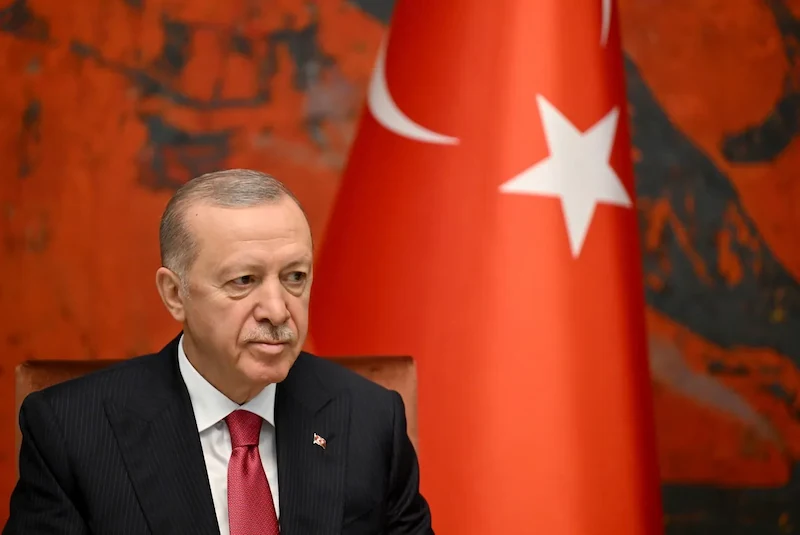


In a recent announcement, Turkish President Recep Tayyip Erdogan assured the public that minimum wage increases would continue to surpass inflation rates in the upcoming year. This pledge comes as a response to ongoing price pressures that have affected the cost of living for many households. Erdogan emphasized that the government's goal is to safeguard the purchasing power of workers, highlighting the importance of maintaining a balance between wage growth and inflation.
As negotiations for the minimum wage adjustments are set to commence in December, all eyes are on the potential impact these raises could have on the overall inflation rate for 2025. Investors are closely watching for a moderate increase that aligns with the central bank's projections of a decrease in inflation to 21% by the end of next year. However, economists warn that a drastic hike in minimum wages could trigger alarm among investors, with estimates suggesting that increases should ideally stay between 25% to 30%.
The significance of minimum wage adjustments extends beyond individual workers, as it serves as a reference point for broader salary agreements in the economy. With over a third of the country's workforce earning the minimum wage, the decision on wage increases holds significant weight in shaping overall economic conditions. The current monthly net minimum salary stands at 17,002 liras ($493), underscoring the impact that wage policies can have on household finances.
Erdogan also reiterated Turkey's commitment to bringing inflation down to single digits, emphasizing the crucial role of price stability in improving living standards. Despite a recent decline in the inflation rate from its peak earlier this year, the challenge of rising living costs persists. Calls for linking wage increases to actual inflation levels, rather than projections, have been amplified in recent months, with experts advocating for a more realistic and responsive approach to supporting workers' needs.