


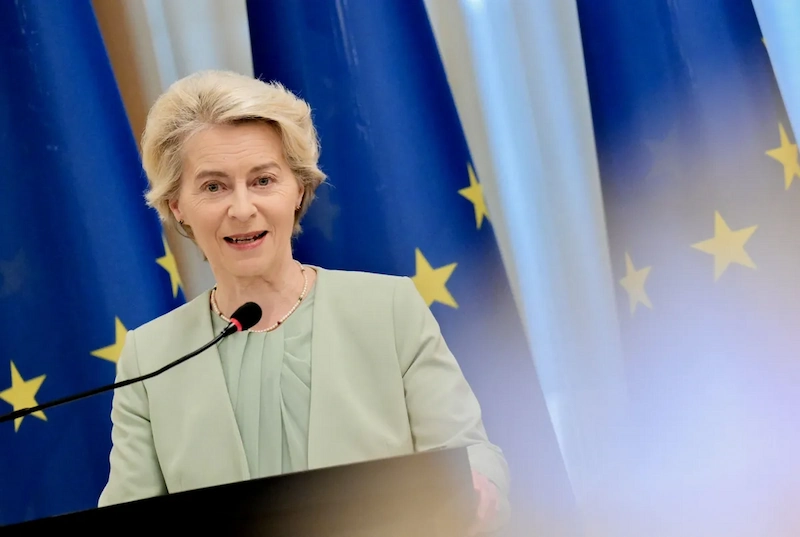


In a bid to enhance the European Union's competitiveness against global giants like the US and China while embarking on an ambitious clean-tech transformation, the European Commission is set to introduce the outlines of a groundbreaking initiative known as the Competitiveness Compact on January 15. Revolving around bolstering security, reducing dependencies, and fortifying the region's economic standing, this initiative builds upon the recommendations outlined in a report by former ECB President Mario Draghi from September.
Furthermore, the Commission is gearing up to release a comprehensive plan, the Clean Industrial Deal, on February 26. This detailed strategy aims to ensure that industries in the 27-nation bloc remain competitive as they pursue climate neutrality by 2050. Commission President Ursula von der Leyen has articulated that the focus of this initiative will be on creating an enabling environment for businesses to align with the EU's sustainability objectives. This will involve streamlining regulations, fostering investments, and securing access to affordable, eco-friendly energy sources and raw materials.
The intensified focus on strengthening EU industries during the green transition comes in response to the energy crisis that prompted a surge in power and gas prices a couple of years ago, sparking a significant rethink in policy priorities. As part of this drive, the Commission is poised to propose an ambitious intermediary target, aiming to accelerate emission reductions to 90% by 2040 from 1990 levels, a substantial leap from the current target of 55% reduction by the end of this decade. This shift underscores the EU's commitment to securing its economic future while leading the global charge towards a sustainable and resilient industrial landscape.