


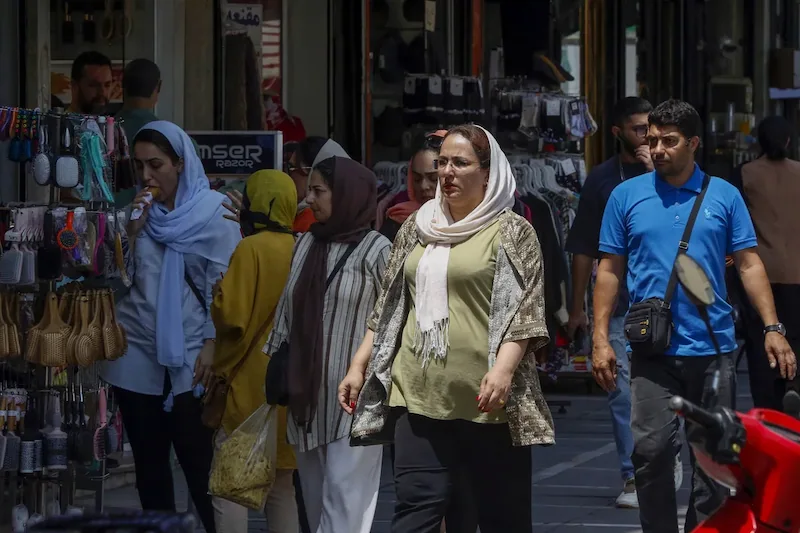


In a recent development in Iran, President Masoud Pezeshkian has raised concerns over a new law that imposes stricter restrictions on women's rights and enforces harsh penalties for violations of dress codes. The legislation, known as the "Chastity and Hijab" law, introduces severe financial punishments, including the seizure of assets and bank accounts, for individuals who do not adhere to the prescribed dress norms.
President Pezeshkian expressed his reservations about the potential repercussions of the law, emphasizing the importance of maintaining national harmony. He acknowledged the need to address issues but cautioned against measures that could have damaging effects on other aspects of society.
The law, proposed under Pezeshkian's predecessor in response to public outrage following the tragic death of Mahsa Amini in 2022, has reignited debates surrounding religious dress codes in Iran. The incident sparked widespread protests, leading to a violent crackdown by security forces and subsequent executions, highlighting the growing discontent among the populace.
Enforced since the revolution in 1979, compulsory dress codes have long been a contentious issue in Iran, with the morality police enforcing strict guidelines on public attire. However, women in urban areas have challenged these norms, leading to increased tensions between authorities and citizens.
While the law is set to take effect in December, there is ongoing debate within the government regarding its implementation. Critics, including senior clerics and politicians, have voiced concerns about the law's severity and its implications for the perception of Islam, particularly among the younger generation.
President Pezeshkian, who has emphasized his commitment to social reform and national unity, aims to address the concerns of various groups within Iranian society. As Iran faces external challenges and internal dissent, the discourse surrounding the hijab law reflects broader tensions and aspirations for change within the country.