


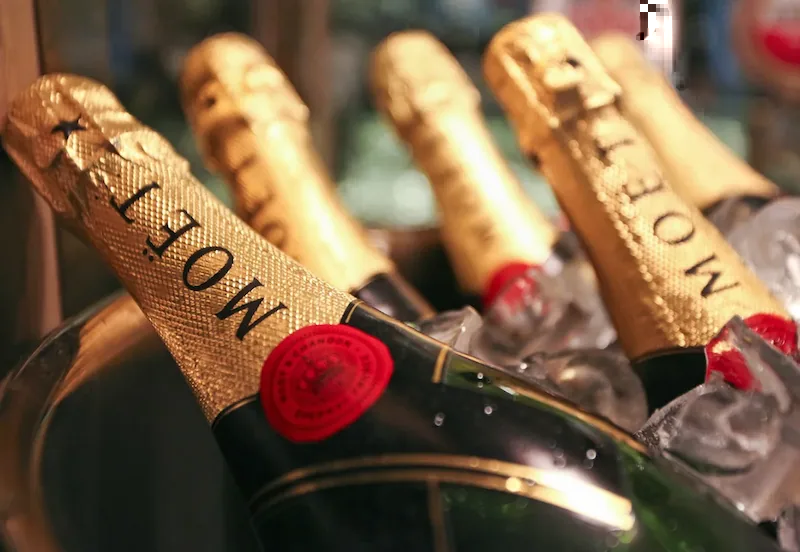


In response to potential extra tariffs under President-elect Donald Trump's administration, producers of Cognac and Champagne are taking preemptive measures by increasing exports to the United States. LVMH's renowned Cognac brand, Hennessy, has already upped its consignments to the US post-Trump's victory, with other Champagne houses such as Moët & Chandon planning to follow suit, industry insiders reveal.
The looming threat of new import duties has spurred this strategic move, as Trump has expressed intentions to impose tariffs on goods from several countries. Though it remains uncertain if French luxury goods will be targeted, the drinks industry is not taking any chances. By ramping up shipments to the US, producers aim to secure their position and minimize potential financial setbacks in the face of uncertain trade policies.
These additional exports, while not substantial enough to bring about monumental shifts, will provide a temporary buffer for producers amidst the current economic uncertainty. Redirecting some of the shipments that would typically head to China, a market experiencing a downturn, to the US makes strategic sense for these alcohol producers. Highly popular products like Hennessy's Very Special Cognac stand to benefit from the increased focus on the American market.
The decision to expedite shipments is facilitated by the non-perishable nature of alcoholic beverages, ensuring they retain their value during the extended transit. This tactic was previously employed during Trump's first term to circumvent potential trade disputes, leading to the suspension of tariffs between the US and the EU on various products.
With the US serving as the largest export market for both Champagne and Cognac, the significance of these strategic exports cannot be understated. In 2019, nearly 27 million bottles of Champagne were shipped to the US, generating impressive revenues for the industry. Similarly, Cognac makers dispatched around 58.4 million bottles to the US during the same period, illustrating the critical role the American market plays in sustaining these luxury alcohol segments.