


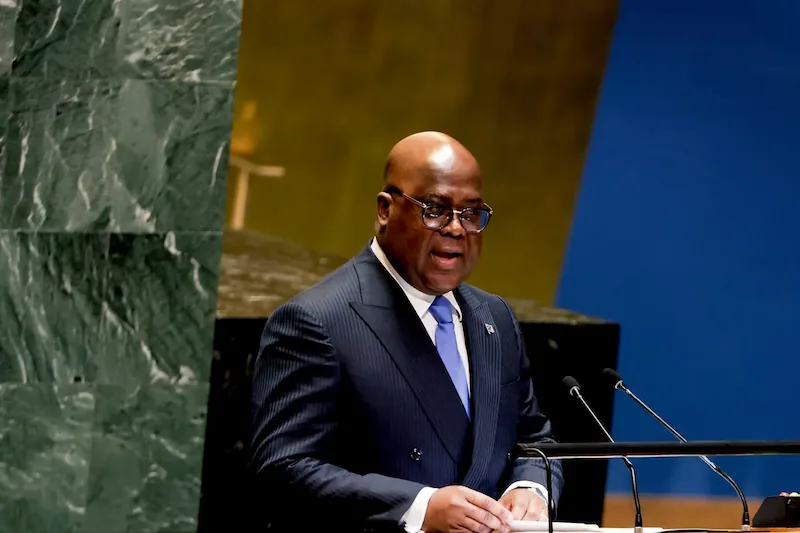


In a strategic move to enhance the efficiency of the state apparatus and propel economic growth, President Felix Tshisekedi of the Democratic Republic of Congo has proposed constitutional reforms. Addressing the parliament in Kinshasa, President Tshisekedi defended the initiative as crucial to addressing the current flaws that hinder the effective functioning of the government.
Although opposition leaders have raised concerns about the possibility of Tshisekedi using the amendments to extend his term in office, the president firmly denied these allegations. He emphasized the need for a national reflection on constitutional reform to streamline the governmental processes, citing the prolonged period between his second term inauguration and cabinet installation as a significant inefficiency that needs to be rectified.
Amid discussions on constitutional changes, President Tshisekedi also outlined ambitious economic development plans, including a $6.6 billion investment in agriculture over the next decade to diversify the country's mineral-dependent economy. Noting Congo's position as the world's second-largest copper producer, Tshisekedi projected a substantial economic growth rate of 6% by 2024, surpassing the regional average of 3.8% in sub-Saharan Africa.
Furthermore, President Tshisekedi highlighted the impressive increase in the country's foreign reserves, which have reached a record high of $6.1 billion. These financial reserves are poised to bolster Congo's economic stability and provide a solid foundation for sustainable growth and development in the years to come.
As Tshisekedi moves forward with convening a committee of experts to recommend specific constitutional amendments next year, the dual focus on governance reforms and economic progress signals a pivotal moment in Congo's journey towards prosperity and good governance under his leadership.