


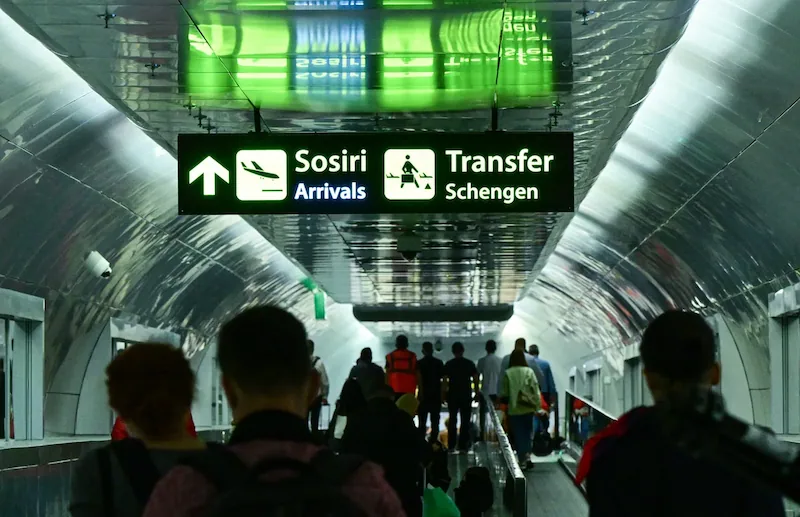


After nearly two decades of effort, Romania and Bulgaria have finally been approved for full access to the European Union’s passport-free Schengen area via land borders starting January 1st. This historic decision is set to significantly benefit the struggling economies of the two countries, which have long faced challenges due to border controls causing lengthy queues at checkpoints.
The approval to join the Schengen area is expected to bring immediate economic advantages to some of the poorest economies in the EU, facilitating smoother trade and business operations. This development comes at a crucial time for both countries, with Bulgaria under political turmoil and Romania facing internal political disruptions.
Expressing enthusiasm for the decision, officials from both countries highlighted the positive impact on citizens, businesses, and growth within the single market. The move signifies a step towards strengthening trust in the European project and promoting shared values and principles.
While the accession to Schengen has been awaited for years, it was only recently unblocked after Austria, a key opponent, reached an agreement with the two countries to enhance the EU’s external borders. This compromise paved the way for Austria to lift its blockade, allowing Bulgaria and Romania full access to the Schengen area by land.
Despite concerns from nationalists about potential increased migration, the benefits of Schengen membership, such as improved trade and investment opportunities, are seen as vital for the economic development of both countries. The additional police presence at the EU’s external border with Turkey and targeted checks at specific internal borders are part of the agreement to ensure security measures are in place.
As Germany and other countries in Europe grapple with migration challenges, the inclusion of Romania and Bulgaria in the Schengen area signifies a positive step towards enhancing regional cooperation and integration. The expected reduction in border congestion and economic growth opportunities are set to bring tangible benefits to citizens and businesses in both countries.