


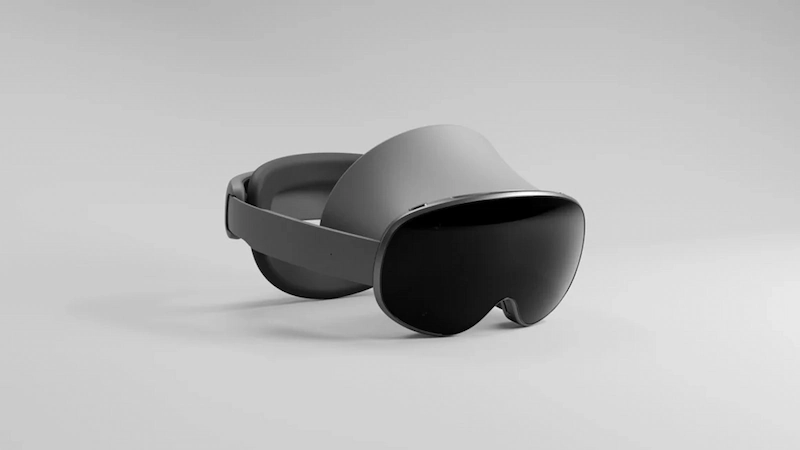


Google and Samsung have announced a groundbreaking partnership to develop a mixed-reality headset, setting the stage for a fierce competition with tech giants Apple and Meta. This move marks a significant shift in the wearable tech landscape, as the companies aim to introduce a new Android operating system tailored for XR (virtual and augmented reality) devices.
Anticipated to debut in 2025, the Samsung-built headset is expected to offer a compelling alternative to Apple's Vision Pro and Meta's Quest 3. The pricing strategy, yet to be unveiled, is predicted to undercut Apple's Vision Pro, which currently stands at $3,499. Analysts speculate that this aggressive pricing approach could help Google and Samsung gain a competitive edge in the market.
The introduction of the Android for XR operating system, a collaborative effort between Google, Samsung, and Qualcomm, opens up a new realm of possibilities for wearable consumer tech. By integrating advanced AI capabilities and reliable hardware expertise, the partnership aims to capture a significant market share and revolutionize the future of consumer AI products.
While Meta is currently perceived as a market leader with its Quest 3 and innovative collaborations, the wearable headset market remains open for experimentation. Experts suggest that Google's strategic move to challenge industry frontrunners Apple and Meta indicates a shift towards mass consumer adoption and a strong commitment to seizing market opportunities.
With a history of pioneering wearable technology, including Google Glass and Daydream, Google is well-positioned to leverage its generative AI capabilities, such as Gemini, in the new Android system. This integration will bring features like an AI voice assistant and access to a wide range of Android apps, enhancing the user experience and versatility of the headset.
Samsung's Head of Research and Development, Won-Joon Choi, expressed enthusiasm for the collaboration with Google, emphasizing the transformative potential of XR technology in reshaping everyday interactions and transcending physical boundaries. As XR products evolve from novelty to necessity, this strategic partnership signifies a shift towards more immersive and integrated experiences.
Ultimately, the launch of this mixed-reality headset signifies a pivotal moment in the wearable tech industry, where Big Tech companies are vying for dominance through innovation and strategic alliances. As Google and Samsung disrupt the status quo, the competition in the wearable headset market is set to intensify, paving the way for new advancements and consumer experiences in the realm of XR technology.