


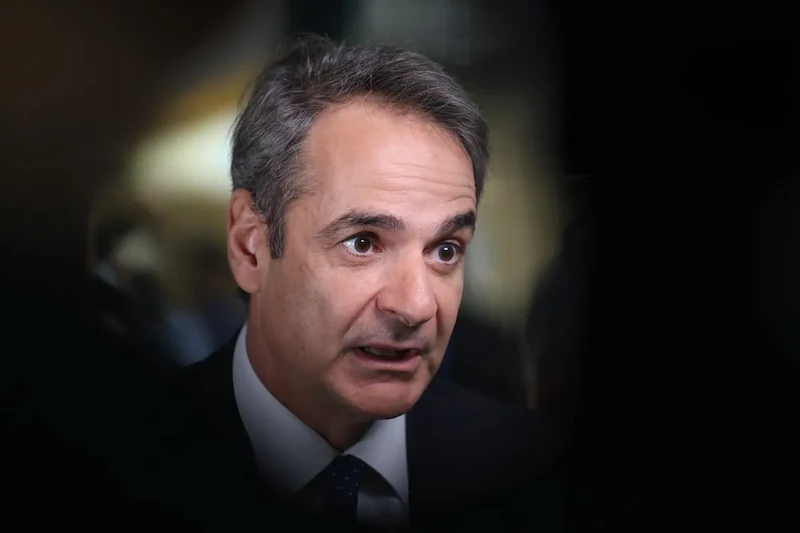


In a recent announcement, Prime Minister Kyriakos Mitsotakis declared that Greece will be enforcing a cap on bank fees for money transfers and eliminating additional charges for bill payments. This decision stems from the government's belief that existing measures to reduce client fees within financial institutions have been inadequate.
Under the new regulations, a cap of €0.50 will be imposed on banks' fees for transfers up to €5,000. Furthermore, clients will not incur any supplementary costs when settling their bills or obligations to the state. The move comes at a crucial time when pressure mounts for the state to levy additional charges on Greek banks, which have made significant strides in financial recovery following the nation’s prolonged debt crisis.
While speculation arose regarding a potential windfall tax on Greek lenders, following Spain's recent actions, Mitsotakis dismissed the idea during an investor event in London. The Prime Minister stated that such a measure would not be beneficial to the populace.
Greek banks, including Eurobank Ergasias Services and Holdings SA and National Bank of Greece SA, have experienced a return to profitability, marking the first time dividends have been paid since the economic downturn in 2008. Notably, these financial institutions have also reduced their non-performing loans, aligning them with European standards and projecting plans to expedite the repayment of deferred tax credits.
In the first half of 2024, Greek banks reported a significant increase in net fee income, totaling €993 million, signifying a nearly 16% year-on-year growth. Their overall operating income also surged by approximately 11% to reach €5.78 billion in the initial six months of June.
Additionally, Mitsotakis disclosed a €100 million allocation from banks towards the renovation of aging schools or the construction of new educational facilities. Moreover, the government plans to double the property tax that banks pay for their managed properties as part of efforts to aid households in acquiring affordable housing options.
Mitsotakis conveyed to lawmakers that a realistic budget approach is paramount in navigating the current economic landscape. Through these strategic initiatives, Greece aims to foster economic growth and provide support to its citizens during these challenging times.