


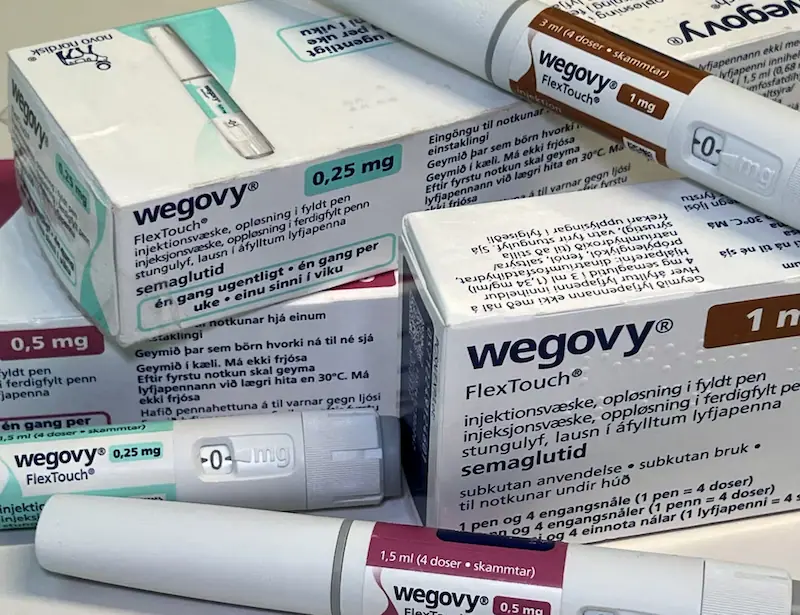


A surge in the prescription of powerful weight-loss drugs in the United States is leading to an increase in the diagnosis of obesity-related conditions and improved access to healthcare services for overweight and obese patients. An in-depth analysis of electronic patient records conducted by health data firm Truveta revealed a noticeable uptick in the diagnoses of sleep apnea, cardiovascular disease, and type 2 diabetes within 15 days of patients initiating a prescription for GLP-1 weight-loss drugs between 2020 and 2024.
These medications, such as Novo Nordisk's Wegovy and Ozempic and Eli Lilly's Zepbound and Mounjaro, have demonstrated significant weight loss results, with average reductions of at least 15%. As a result, patients are not only experiencing improvements in their health but are also becoming eligible for essential healthcare services like organ transplants, fertility treatments, and knee replacements.
Experts suggest that while the initial increase in diagnoses may lead to higher healthcare spending, early detection of conditions could ultimately result in cost savings in the long run. Dr. Courtney Younglove, an obesity medicine specialist, highlighted how many overweight individuals avoid routine healthcare services due to stigma, but with the introduction of these weight-loss drugs, more patients are seeking necessary medical attention.
The impact of these drugs goes beyond just weight loss. Patients like Phil, a 43-year-old technology executive, have reported feeling empowered to advocate for their health needs and address underlying conditions such as addiction and mental health after experiencing positive outcomes with the medications. Moreover, individuals with obesity are witnessing significant improvements in their overall health, leading to a surge in referrals to primary care providers and specialty clinics.
Companies like ResMed, which sells sleep apnea devices, have seen revenue growth attributed to the increased use of weight-loss drugs. Additionally, healthcare experts anticipate that as patients achieve healthier weights, they may become eligible for surgeries like joint replacements that were previously inaccessible to them. Initiatives like the weight-loss clinic at the University of Chicago Medicine are helping prospective organ transplant patients qualify for surgery by leveraging GLP-1 drugs to assist in weight loss.
Overall, the rise in prescriptions for weight-loss drugs is not only transforming the lives of individuals struggling with obesity but also reshaping the landscape of healthcare access. By empowering patients to take control of their health, these medications are not just aiding in weight loss but also opening doors to a range of essential healthcare services that were previously out of reach for many.