


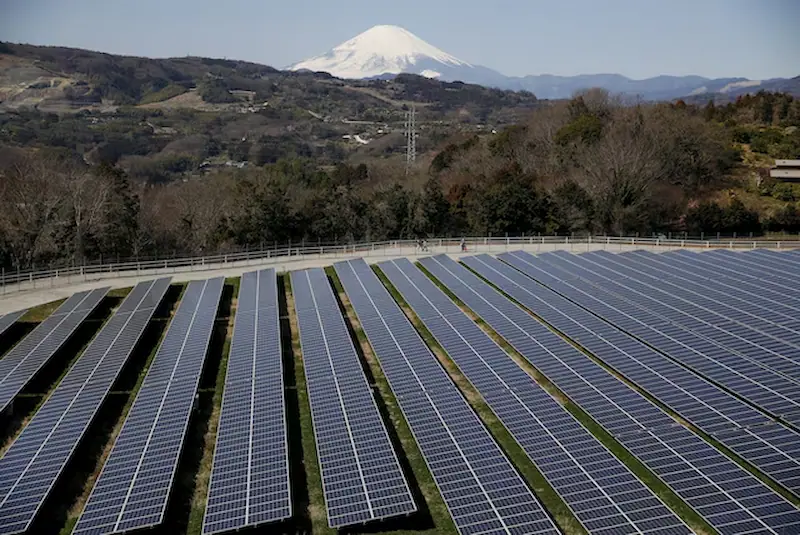


In an ambitious move towards a cleaner and more secure energy future, Japan has revealed a draft of its revised basic energy policy, with aims to have renewable energy account for up to 50% of its electricity mix by fiscal year 2040. The country, known for being the world's second-largest importer of liquefied natural gas and a significant consumer of Middle Eastern oil, is now shifting its focus towards reducing carbon emissions and enhancing energy security in light of escalating geopolitical tensions, such as the Russia-Ukraine conflict.
The new policy draft, unveiled by the industry ministry, proposes a significant increase in renewables to between 40% and 50% of power supplies by 2040, doubling the 22.9% share in 2023 and surpassing the previously set 2030 target of between 36% and 38%. Additionally, the plan aims to reduce thermal power usage, especially from coal-fired plants, to between 30% and 40% of the mix by 2040, down from 68.6% in 2023.
While advocates for renewable energy have raised concerns about the lack of a clear roadmap for phasing out coal-fired power, the draft also highlights specific targets for nuclear and wind power. Japan's 2040 energy plan includes a 20% target for nuclear power, aligning with the 2030 target despite challenges faced by the industry after the Fukushima disaster. However, critics have noted the relatively low target share for wind power, potentially setting Japan behind other global markets in this sector.
The draft policy also emphasizes the importance of securing long-term LNG contracts to mitigate price volatility and supply risks, highlighting LNG-fired power as a transitional measure. The plan further includes provisions for building innovative next-generation reactors at existing nuclear power sites and aims to attract investments in renewable energy, including storage batteries, while keeping LNG as a transitional fuel.
Proposed targets for new fuels like hydrogen and ammonia, set to comprise 1% of the electricity mix in the previous plan, are omitted in the updated version. A joint strategy for reducing greenhouse gas emissions by 60% by 2035 and 73% by 2040 was also outlined, paving the way for a linear pathway to net zero emissions by 2050.
Overall, Japan's energy transition plan signals a shift towards a more sustainable and resilient energy landscape, aiming to meet rising power demands while reducing carbon footprint and enhancing energy security. The finalized energy plan is expected to be approved by the cabinet early next year, setting the stage for a significant transformation in Japan's energy sector in the coming decades.