


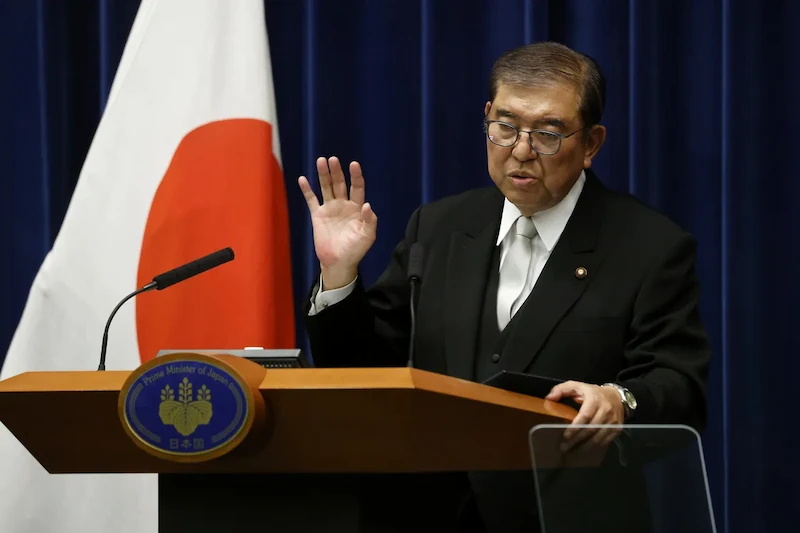


In a move that could further intensify political deadlock in Japan, the ruling parties have approved a tax reform plan for the upcoming fiscal year without securing the crucial support of a key opposition party. Prime Minister Shigeru Ishiba’s minority government, led by the Liberal Democratic Party and its coalition partner Komeito, finalized the tax changes for the next fiscal year despite not reaching an agreement with the Democratic Party for the People (DPP).
The lack of consensus with the DPP, essential for the ruling coalition to pass the tax plan and other legislative measures, has cast a shadow of uncertainty over Ishiba’s government. The approved plan includes an increase in the tax-free income threshold to ¥1.23 million, a compromise figure falling short of the DPP's demand for ¥1.78 million. This disparity prompted the DPP to halt discussions with the ruling parties initially but indicated a willingness to resume talks in the future.
The decision to push ahead with the tax reform without full opposition support underscores the challenges facing Ishiba's administration. With his approval ratings trailing behind disapproval ratings in recent polls, Ishiba is grappling with a precarious position in parliament as he seeks backing for next year’s budget. The inability to secure the DPP's backing foreshadows potential hurdles for Ishiba, raising concerns about the prospect of prolonged political gridlock and its implications on governance in Japan.