


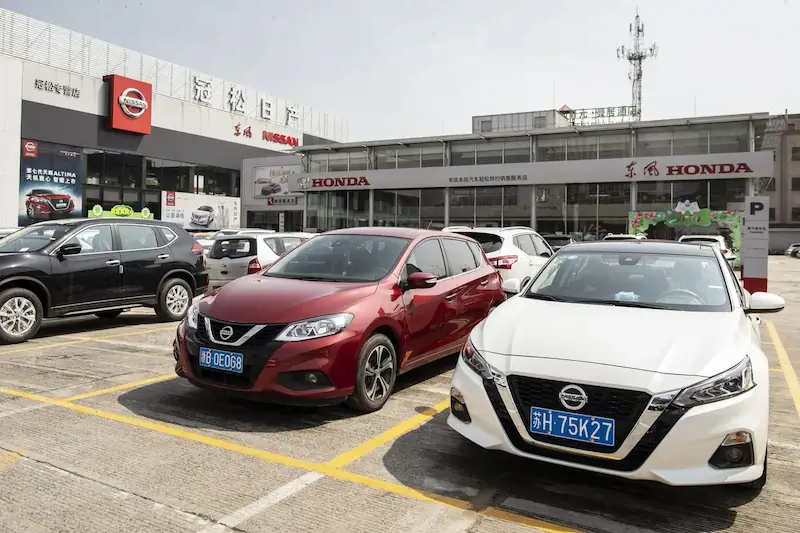


In a move driven by the changing dynamics in the Chinese automotive market, Japanese automakers Honda and Nissan are reportedly considering merger talks to address issues stemming from the rise of electric and hybrid vehicles in the region. Once dominant players known for their high-quality cars, both companies have seen their market positions erode in the face of competition from local manufacturers like BYD Co.
Nissan, in particular, has faced challenges following the turmoil caused by the arrest and ouster of former Chairman Carlos Ghosn, leading to management shakeups and an outdated product lineup. The company has embarked on a cost-cutting plan to reduce global capacity by 20%, with significant cuts expected in China to align with changing market demands.
Honda, on the other hand, has already announced plans to close factories and reduce capacity by 20% in China. The negotiations with local partners signal a proactive approach to adjusting to the evolving market landscape. Efforts towards a potential merger between Honda and Nissan have gained momentum, with talks also possibly involving shared manufacturing partnerships and hybrid vehicle production.
The challenges faced by Japanese automakers in China are reflective of broader industry shifts, with General Motors and European manufacturers like Volkswagen also feeling the impact of changing consumer preferences and technological advancements. Amidst these challenges, Nissan's CEO has emphasized the need for restructuring measures to optimize capacity utilization rates and improve operational efficiency.
While the road ahead may present obstacles, the potential merger between Honda and Nissan signifies a strategic response to the evolving market dynamics in China. With a focus on innovation, cost optimization, and collaborative partnerships, both companies are positioning themselves to navigate the competitive landscape and drive sustainable growth in the coming years.