


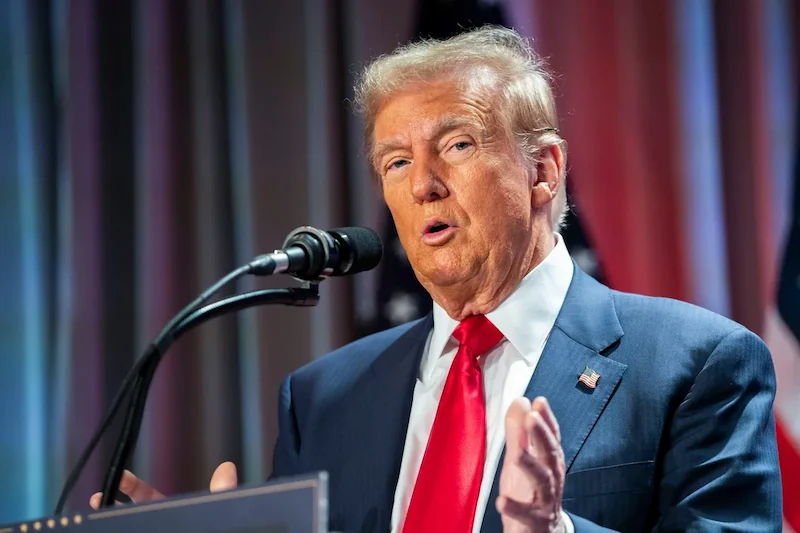


In a surprising move, President-elect Donald Trump has intervened in the ongoing battle surrounding the fate of Chinese-owned social media platform TikTok in the United States. Trump has urged the Supreme Court to temporarily halt a law that would lead to the banning of TikTok unless it is sold by its current parent company before January 19.
While Trump did not take a definitive stance on the constitutionality of the law itself, he emphasized the importance of addressing the free speech concerns it raises. Trump expressed his desire for the opportunity to negotiate a resolution to the dispute after his inauguration on January 20, stating that he is uniquely positioned to find a solution that balances national security interests with the rights of the company and its users.
The Supreme Court is set to deliberate on the case in an expedited manner, with arguments scheduled for January 10, just days before the law is set to go into effect. The crux of the issue lies in the clash between the First Amendment rights of the company and its users and the national security concerns raised by the government.
Both TikTok and the Biden administration presented their arguments before the court, with the Justice Department warning of the grave national security threats posed by Chinese control of the platform. TikTok, on the other hand, argued that Congress did not explore alternative solutions before resorting to a ban, emphasizing that speech bans should be a last resort even in cases involving national security.
Trump's evolving stance on TikTok, from initially supporting a ban to expressing fondness for the platform, has been brought to light in recent days. His meeting with TikTok's CEO and conversations with tech executives point towards a more nuanced approach to the issue. Notably, Trump's filing to the court suggested a level of sympathy towards the free speech arguments put forth by the company and its users.
As the legal battle continues to unfold, Trump's role in the negotiations and potential deals surrounding TikTok remains to be seen. The outcome of this case could have far-reaching implications not only for TikTok but also for the broader landscape of social media regulation and national security considerations in the digital age.