


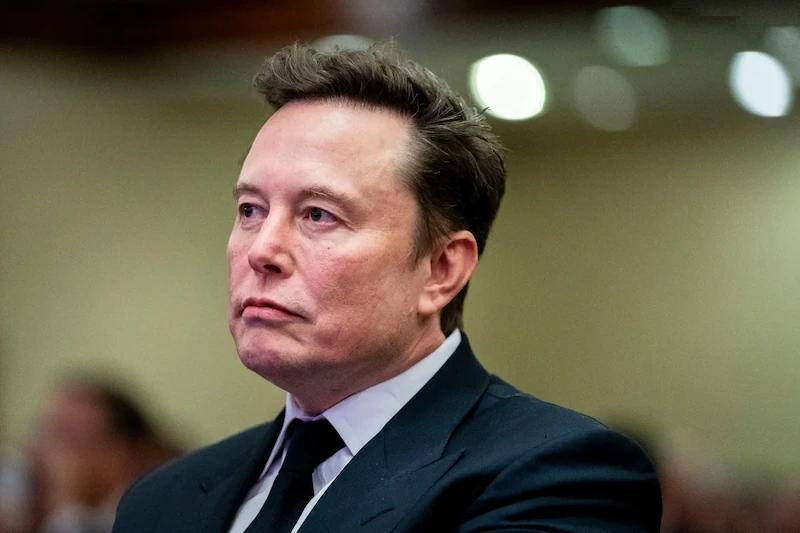


Elon Musk's recent public endorsement of the far-right Alternative for Germany party, or AfD, has sparked a heated debate among Germans as the country gears up for crucial elections. In an opinion piece published in the Welt am Sonntag newspaper, the billionaire tech mogul voiced his support for the AfD, highlighting what he sees as the party's ability to address the concerns of many Germans who feel neglected by the political establishment.
Despite being labeled as far-right and extremist, Musk praised the AfD for its perceived political realism and unapologetic approach to tackling pressing issues without the constraints of political correctness. He commended the party for its stance on controlled immigration, prioritizing integration while safeguarding German culture and security. Musk argued that maintaining a nation's identity and values in the face of globalization is crucial for its strength and unity.
The controversial endorsement has drawn criticism from various quarters, with skeptics pointing to the AfD's extremist tendencies and positions on crucial matters such as ties with the EU, Russia, and immigration. Jan Philipp Burgard, the designated Editor-in-Chief of Welt, cautioned against Musk's portrayal of the AfD as non-extremist, emphasizing the party's controversial policies that have raised concerns among German authorities.
Musk's foray into German politics comes at a critical juncture, with the upcoming snap elections poised to reshape the country’s political landscape. As Chancellor Olaf Scholz's Social Democrats face stiff competition from the AfD and the conservative CDU/CSU bloc, Musk's endorsement has added another layer of complexity to an already contentious electoral race. With the AfD's support on the rise and the conservative bloc leading in polls, the outcome of the elections remains uncertain, making Musk's stance all the more significant in the current political climate.