


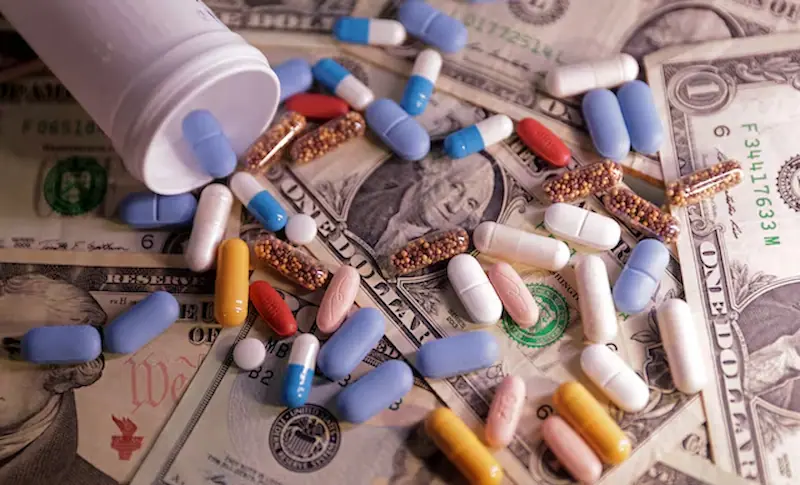


In preparation for the new year, pharmaceutical companies are gearing up to raise prices on at least 250 branded medications in the U.S. come January 1, 2025. These price hikes, analyzed by healthcare research firm 3 Axis Advisors, are predominantly below 10%, with a median increase of 4.5%. Notably, these adjustments are to list prices, excluding any rebates or discounts provided to pharmacy benefit managers.
While we once saw larger drug price increases, recent years have seen a shift in the industry as drugmakers have tempered such hikes following public scrutiny. As highlighted by 3 Axis President Antonio Ciaccia, companies are facing constraints in raising prices over time, pushing them to set launch prices higher. This approach has become essential in navigating the regulatory landscape, with stricter penalties for yearly price escalations.
In 2023, a Reuters analysis revealed that new drugs launched in the U.S. were priced 35% higher than those introduced in 2022—an indicator of the evolving pricing strategies within the pharmaceutical sector. Moreover, this upcoming wave of price modifications represents a significant uptick from the previous year, underscoring the continued trend of adjustments to drug pricing.
It's not all about increases, as some drug manufacturers are also planning price reductions. Merck & Co, for instance, intends to lower the list price of its diabetes drugs Januvia and Janumet to better align with net prices. This move hints at a broader effort within the industry to address pricing discrepancies and provide more transparency to consumers.
The U.S. remains the highest-paying market for prescription medications globally, prompting ongoing scrutiny and calls for reform. With President Donald Trump pledging to tackle drug costs by targeting intermediaries in the healthcare system, the spotlight on pharmaceutical pricing practices is set to intensify.
Among the notable price adjustments, Pfizer leads the pack with increases on over 60 drugs. Notable hikes include the COVID-19 treatment Paxlovid and drugs like Nurtec, Adcetris, Ibrance, and Xeljanz. Bristol Myers is also implementing raises on its cancer cell therapies Abecma and Breyanzi, emphasizing the value of these personalized treatments despite their hefty price tags.
As we usher in 2025, the pharmaceutical landscape continues to navigate the delicate balance between innovation, access, and affordability. While drug price increases are a common occurrence, the evolving regulatory environment and heightened consumer awareness are reshaping industry practices towards a more transparent and sustainable future.