




Australia is bracing itself for scorching temperatures as authorities issue extreme heat warnings for southeastern and western parts of the country. With the mercury expected to soar to 38C (100.4F) in Melbourne on Sunday, residents are being urged to take precautions to stay safe in the sweltering conditions.
According to the Bureau of Meteorology, temperatures are set to climb into the high 30s, and possibly even low 40s, across much of inland New South Wales, Victoria, and South Australia. The unrelenting heatwave is forecasted to be well above the January average, posing significant challenges for communities and ecosystems alike.
This extreme weather comes amidst a backdrop of global warming, which has officially made 2024 the hottest year on record worldwide. The implications are far-reaching, impacting everything from agriculture to public health, and prompting a fundamental rethink in how individuals and businesses operate.
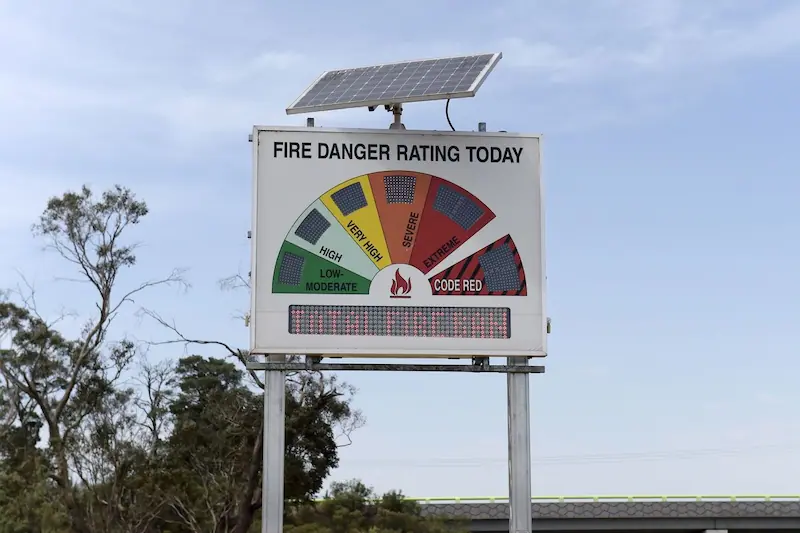
In addition to the heatwave, officials have raised concerns about the risk of bushfires in Victoria and South Australia, with a large blaze currently raging at Grampians National Park. Meanwhile, moderate flood warnings have also been issued for areas in New South Wales and Queensland, highlighting the unpredictable and volatile nature of Australia's weather patterns.
Amidst the intense conditions, a glimmer of hope emerges as relief is expected in the form of cooler temperatures. South Australia, Victoria, and Tasmania are anticipated to experience a reprieve by late Sunday, while Sydney and the East Coast can expect relief by Monday or early Tuesday. As Australians navigate through this period of extreme weather, resilience and preparedness remain key in adapting to the changing climate landscape.