


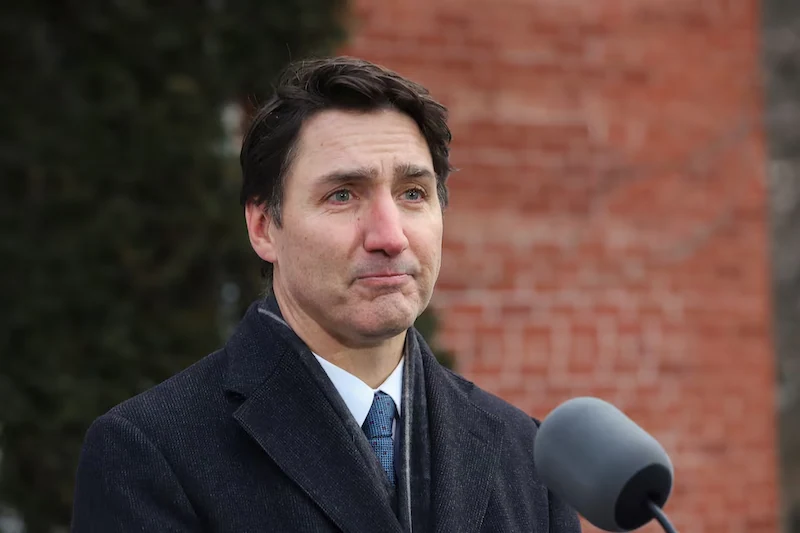


Canadian Prime Minister Justin Trudeau has made the decision to step down from his position after facing increased pressure from lawmakers within his own Liberal Party due to disappointing pre-election polls. In a press conference on Monday, Trudeau announced that he would continue to serve as prime minister and leader of the Liberal Party until a successor is chosen in the coming months.
Trudeau expressed his commitment to ensuring that Canadians have a meaningful choice in the next election, acknowledging that internal conflicts were hindering his ability to lead effectively. The proroguing of parliament until March 24 indicates that an election is unlikely before May, allowing Trudeau to navigate key issues such as potential tariffs from the incoming U.S. administration.
The shift in leadership comes as a response to declining popularity for Trudeau, influenced by economic challenges like rising prices of essential goods and a shortage of affordable housing in the post-COVID period. The Liberal Party's string of losses and internal disputes led to calls for change, with lawmakers urging Trudeau to step down following the resignation of his finance minister and accusations of political maneuvering.
While Trudeau's "sunny ways" messaging initially resonated with voters, his tenure saw a gradual decline in approval ratings. As the Liberal Party now prepares for a leadership contest, the task of reviving public trust falls on the shoulders of potential successors, including figures like Chrystia Freeland and Mark Carney.
Meanwhile, the opposition Conservative Party, led by Pierre Poilievre, is positioning itself as a strong alternative to the Liberals, with Poilievre emphasizing a need for immediate action and a shift towards conservative values. The upcoming months will be crucial for the Liberal Party as they navigate internal challenges and prepare for a pivotal election that will shape the future of Canadian governance.