


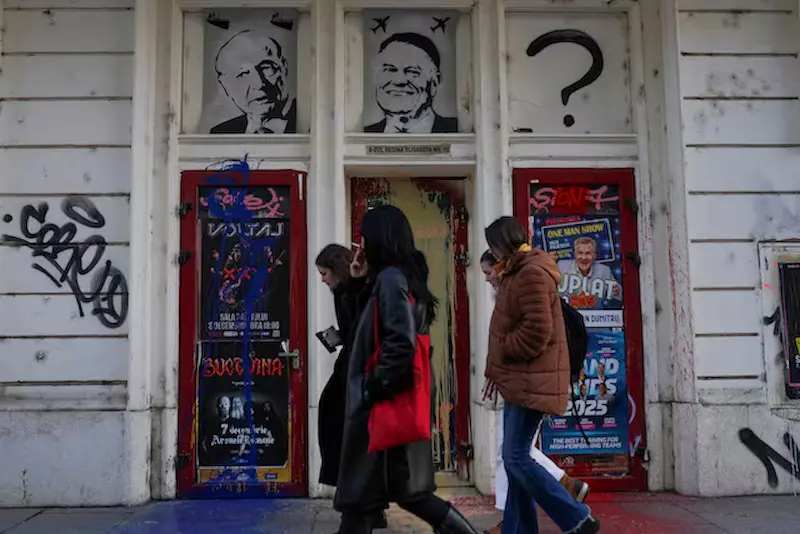


Romania is poised to hold a repeat of last year's controversial presidential election on May 4, following the annulment of the previous ballot by the country's top court due to allegations of Russian interference. The decision to hold a new election comes as the Balkan nation grapples with political turmoil and the growing influence of far-right forces challenging its liberal order.
The coalition government, formed in response to the crisis at the end of last year, has set the date for the election after a meeting in Bucharest. If no candidate secures 50% of the vote, a second round will be held two weeks later, intensifying the high-stakes nature of the electoral process.
The upcoming contest is expected to pit candidates advocating for Romania's alignment with the EU and NATO against the surging far-right parties seeking to disrupt the country's established trajectory. The aftermath of the previous election, where pro-Russian candidate Calin Georgescu emerged as the winner before the result was invalidated due to social media interference, continues to reverberate in Romanian politics.
There is uncertainty surrounding Georgescu's participation in the new election, with potential exclusion sparking contentious debates. The governing coalition has thrown its support behind joint candidate Crin Antonescu, a former leader of the Liberal Party, in a bid to counter the far-right threat. Meanwhile, Bucharest Mayor Nicusor Dan has entered the race as an independent candidate, emphasizing the need for a credible alternative to the existing political establishment.
As the electoral campaign unfolds, polls indicate a possible showdown in the second round between the coalition-backed candidate and a far-right contender. Despite internal surveys showing Georgescu as a strong favorite, the election outcome remains uncertain, with implications for Romania's position within the EU and its alliances with NATO and the US.
The role of the Romanian president, although largely ceremonial, holds significant influence in representing the country internationally and in the nomination of the prime minister. The upcoming election represents a critical moment for Romania as it navigates complex political dynamics and strives to uphold its democratic values amidst external pressures and internal challenges.