


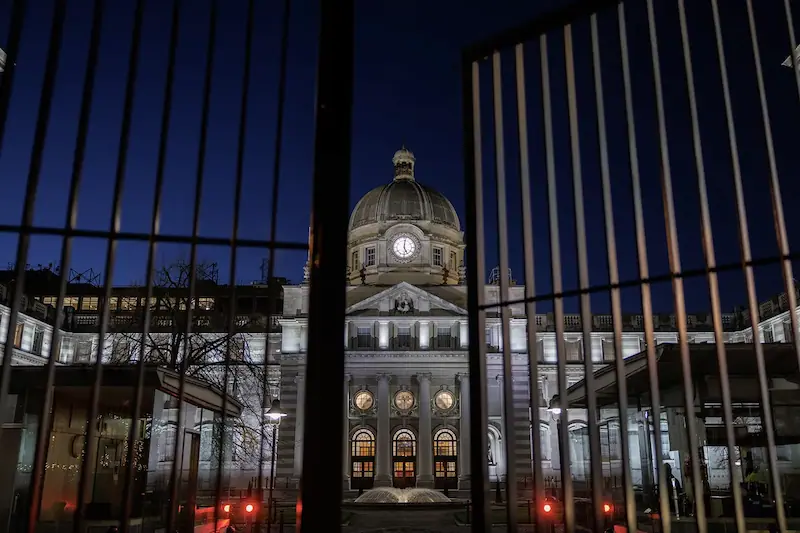


In a significant development, Ireland's two primary political parties, Fianna Fail and Fine Gael, have reached an agreement to form a coalition government for another five-year term after weeks of negotiations following the November elections. Despite falling short of a majority, the parties managed to secure additional support from independent lawmakers to reach the needed seats in parliament.
The new government program outlines commitments to address key issues such as housing, public services, and infrastructure improvements. Notably, a dedicated government division will be established to tackle deficits, while also recognizing the economic contribution of data centers. The coalition also pledged to enhance engagement with the US and bolster defense capabilities.
Unlike the recent global trend of incumbent parties facing defeat, Ireland's political landscape has witnessed a different outcome. Despite a growing concern over immigration, the absence of a major right-wing alternative allowed Fianna Fail and Fine Gael to retain power. Additionally, a pre-election budget boost resonated with voters, contributing to their success.
Ireland's robust financial position, fueled by substantial corporate tax revenues, has provided stability. However, uncertainties loom, with the finance ministry cautioning against overdependence on such income, especially considering criticism from figures like Howard Lutnick, a key US official under the Trump administration.
The involvement of Independent lawmaker Micheal Lowry in the coalition deal has sparked controversy due to his past entanglements in a political scandal. These concerns aside, with parliamentary proceedings set to resume on Jan. 22, the government is poised for action. A unique "rotating Taoiseach" arrangement is anticipated, alternating leadership between Micheal Martin and Simon Harris to accommodate both parties.
Overall, as Ireland embarks on a new political chapter, navigating economic challenges and global uncertainties will be at the forefront of the government's agenda, shaping its decisions and policy direction for the future.