




In efforts to sidestep a reprimand from the European Union over budgetary concerns, negotiators in Austria are working towards forming a nationalist-conservative government with intentions to significantly reduce subsidies related to climate protection. The proposed austerity measures are part of a larger €6.4 billion budget-saving program for 2025, aiming to cut a substantial €1.6 billion in payouts designated to compensate households for carbon taxes. Additionally, approximately €500 million in subsidies directed towards aiding the economy in the adoption of emissions-free technologies are set to be slashed.
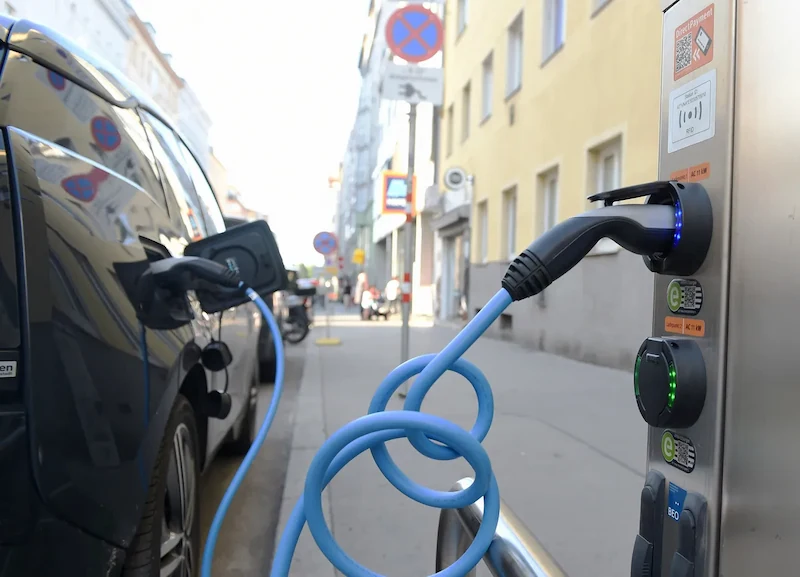
Among the targeted cuts are tax incentives for the purchase of electric vehicles and the installation of solar panels, with plans to cease these initiatives altogether. The coalition negotiators also intend to extract an extra €435 million in dividends from state holdings, which include a minority stake in energy giant OMV AG.
The rationale behind these stringent measures is to circumvent an EU excessive-deficit procedure, which would curtail Austria's autonomy in budgetary matters, as highlighted by Freedom Party representative Hubert Fuchs during a recent press conference. Notably, many of the subsidies under scrutiny were initially implemented during the tenure of the previous conservative-green government.
However, the timing of these proposed cutbacks raises concerns as Austria finds itself grappling with its lengthiest recession since World War II. The Wifo research institute suggests that if these budgetary actions impede growth, the country risks facing a third consecutive year of economic contraction in 2025. Moreover, the Fiscal Advisory Council anticipates a need for total consolidation surpassing €12 billion by 2028. This economic uncertainty prompted Fitch Ratings to reevaluate Austria's AA+ rating, adjusting the outlook to "negative" in light of ongoing political instability and persistent deficits exceeding the EU's 3%-of-output threshold.