




In response to a significant surge in malaria cases, Namibia's health authorities have initiated emergency measures to address the situation. Since the beginning of the current rainy season in December, a total of 5,898 malaria infections have been reported until January 19, as disclosed by the Health Ministry. This marks a notable increase compared to the 3,979 cases reported during the same period last year.
The data from the ministry also reveals an overall rise in confirmed malaria cases, with the total number reaching 17,365 in 2024, representing a 20% increase from the previous year. The outbreak has spread to 20 out of Namibia's 26 malaria-endemic districts, prompting urgent intervention.
Among the key initiatives being implemented are indoor spraying, the distribution of insecticide-treated mosquito nets, and intensified surveillance efforts. Additionally, the ministry is collaborating with local leaders and neighboring countries to coordinate cross-border prevention strategies.
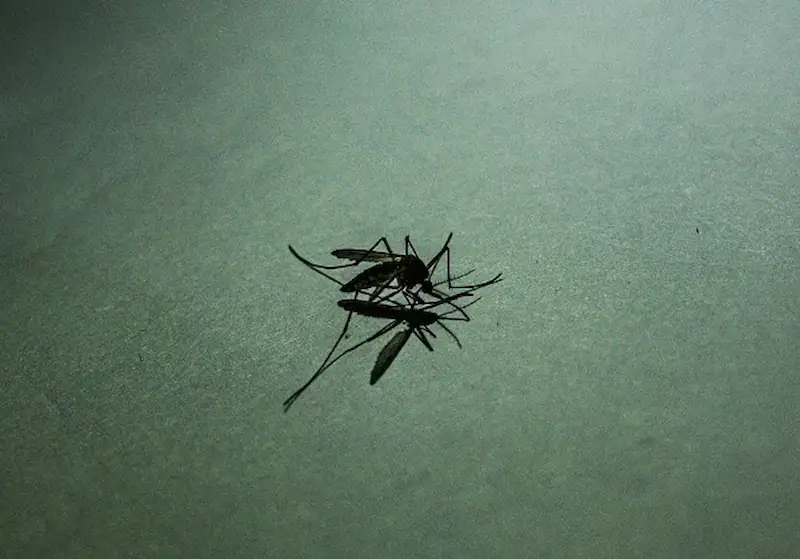
Notably, the ministry highlighted that approximately 58% of malaria infections are locally transmitted, while the remaining cases are imported. The peak transmission period for malaria in Namibia typically spans from December to May, aligning with the rainy season that provides optimal breeding conditions for Anopheles mosquitoes.
With a dedicated focus on containing the outbreak and safeguarding public health, Namibia is actively working towards curbing the spread of malaria and ensuring the well-being of its population.