


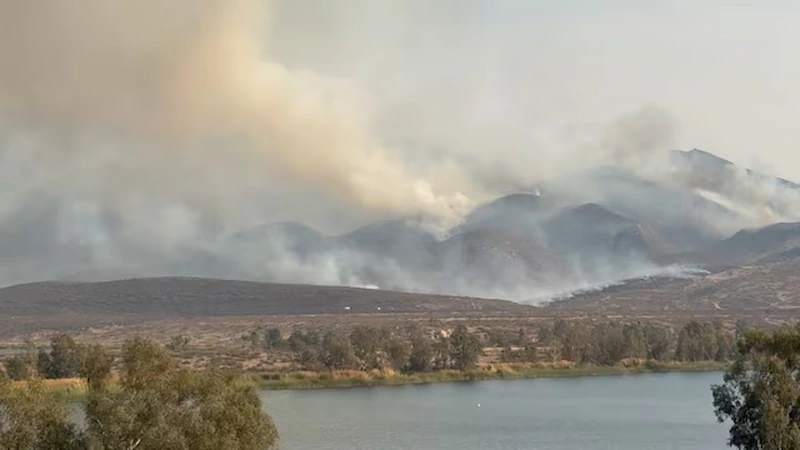


In Sunset Mesa, a community neighboring Pacific Palisades, residents like Shaun Kearney are facing the aftermath of the devastating fires that have ravaged Los Angeles. While Kearney's house survived the flames, the impending rain poses a new set of challenges, as the toxic remnants from burned buildings and cars now threaten to contaminate the environment.
As Kearney gears up to seal a hole in his roof to prevent the influx of rainwater laced with hazardous chemicals, the broader concerns surrounding the cleanup and rebuilding efforts come into focus. With most neighboring homes built before regulations against asbestos usage, the dangers of toxins lingering in the debris loom large.
The fires, ongoing since January 7th and claiming 28 lives while damaging thousands of structures, have left a trail of destruction that requires meticulous handling to prevent further harm. The upcoming rain, though anticipated to clear the air and aid fire-fighting efforts, also raises fears of exacerbating the toxic runoff that could seep into the surrounding areas and contaminate water sources.
Local officials, such as LA Councilmember Traci Parks, are alerting residents to the dangers posed by the toxic mix of materials left in the fire's wake. Efforts to mitigate these risks are underway, with workers deploying various measures like concrete barriers, cloth covers around storm drains, and specially designed straw barriers to filter out pollutants from the runoff.
While the immediate focus is on containing the toxins and preventing landslides in the fire-affected areas, the long-term implications on ecosystems and groundwater remain uncertain. Experts warn of the potential contamination of gardens and soil, emphasizing the need for caution in handling the aftermath of the fires.
Among the residents returning to assess the damage, there is a sense of resilience tinged with uncertainty. For families like the Dvorsky's, sifting through the ruins of their home in search of treasured heirlooms, the road to recovery seems daunting amidst political, economic, and environmental challenges.
As the community grapples with the toxic aftermath of the fires and prepares for the impending rain, the need for careful planning, environmental awareness, and collective action becomes increasingly apparent. The path to rebuilding and restoring these neighborhoods will be arduous, but with concerted efforts and a proactive approach, the community aims to overcome the challenges posed by this disaster.