


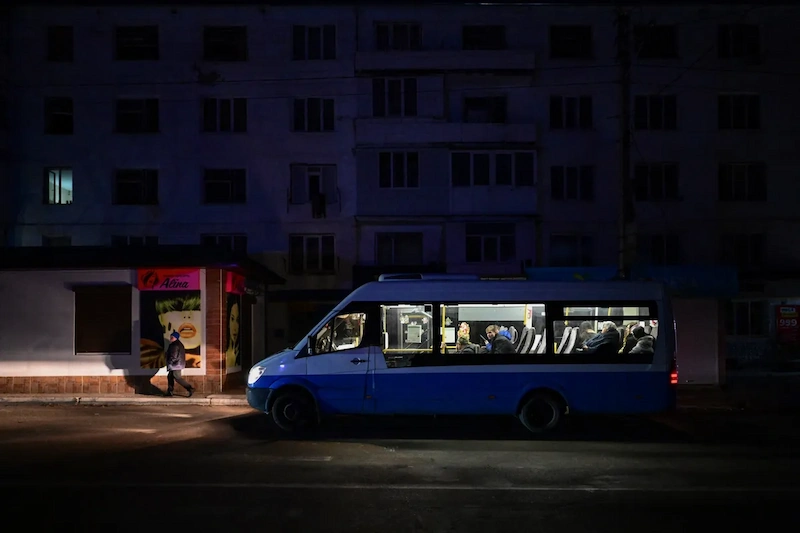


In a strategic alliance between Moldova and the European Union, a comprehensive emergency plan has been devised to address the critical energy crisis faced by the pro-Russian breakaway region of Transnistria. The region found itself in distress after the cessation of Russian gas supplies, prompting urgent action to alleviate the situation.
At a press conference in Chisinau, Prime Minister Dorin Recean outlined the primary objectives of the emergency plan. The immediate focus is on resolving the humanitarian crisis in Transnistria by providing essential assistance to all residents and ensuring the long-term stability of Moldova's energy sector. To kickstart the relief efforts, Moldova has pledged to extend a credit line to supply Transnistria with 3 million cubic meters of gas, safeguarding the gas transportation system until the end of January.
The European Union has stepped in to offer support beyond January, with a €30 million aid package earmarked for purchasing gas from alternative sources in Ukraine and the European market. This financial assistance will not only restore gas, electricity, and heating in Transnistria but also facilitate electricity exports from the breakaway region to the rest of Moldova. The EU's commitment underscores the collective effort to address the pressing needs of Transnistria amid the energy crisis.
The turmoil in Transnistria stems from the expiration of the Russian gas transit agreement via Ukraine on January 1, exacerbating the region's energy woes. Negotiations for alternative gas routes have been hindered by a dispute over a substantial debt allegedly owed by Moldova, excluding Transnistria. Consequently, the enclave had to resort to drastic measures, including suspending central heating and industrial activities, to cope with the gas shortage.
Looking ahead, Moldova and the EU are working towards a comprehensive assistance package to be rolled out once the initial emergency aid concludes on February 10. Recent discussions have hinted at Hungary's energy company Mol Nyrt expressing interest in supplying gas to Transnistria, signaling potential avenues for sustainable energy solutions in the region.
Over the years, Transnistria has heavily relied on gas imports from Gazprom via Moldova for its energy needs, including electricity generation. The disruption in gas supplies not only impacted the enclave's internal operations but also led to ripple effects in Moldova, forcing the country to import electricity from Romania at inflated prices. As the collaborative efforts between Moldova, the EU, and potential energy suppliers gain momentum, the focus remains on stabilizing Transnistria's energy infrastructure and bolstering regional energy security.