


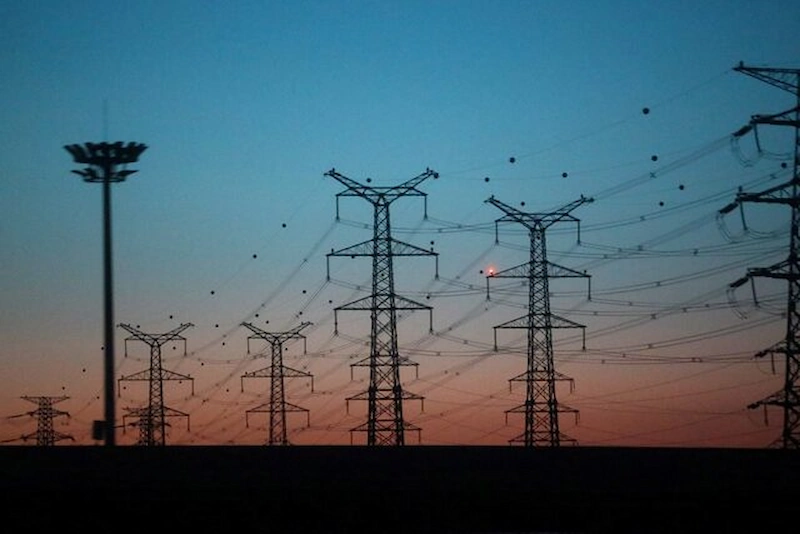


In a significant shift for China's power sector, projections suggest that the predominantly coal-based thermal power generation is poised to decrease in 2025, marking the first drop in a decade. While analysts emphasize the potential for unexpected variables such as extreme weather or robust industrial expansion to alter this trajectory, such a decline would carry positive implications for the country's efforts towards decarbonization, with the power sector currently accounting for approximately 60% of its emissions.
Anticipated to meet or surpass the record surge in renewable energy capacity achieved in 2024, China seems on track to align with the objectives outlined in its 14th five-year plan. This surge in renewables is seen as creating the conditions for these cleaner sources to cater to the entirety of new power demand this year, signaling a pivotal moment in the transition towards sustainable energy production.
The accelerated deployment of renewables has led a majority of analysts to predict a stabilization or reduction in thermal power output, as renewables step up to meet the escalating overall electric power demand projected to grow between 6% to 7.5% – surpassing last year's growth rate of 6.8%. The last instance of a year-on-year decline in thermal power output dates back to 2015, a period marked by slower energy demand growth amidst economic challenges.
However, analysts sound a note of caution, signaling that unforeseen factors like intense summer heat could prompt a resurgence in coal usage. The grid's limited transmission capacity also looms as a potential constraint on renewables consumption. While some industry sources and analysts diverge on their forecasts, with projections ranging from growth to decline in thermal power output, the overarching uncertainty hints at the complexity of predicting energy trends.
Notably, the trajectory of power demand is expected to outpace economic growth, a trend observed since 2020 as China's economic expansion has become more energy-intensive. The rise in energy-intensive manufacturing, along with advancements in sectors such as electric vehicles, artificial intelligence, and industrial electrification, are highlighted as key drivers of this divergence between power demand and GDP growth.
With a substantial proportion of China's power demand originating from the industrial sector, the shift towards services and advanced manufacturing is anticipated to steer demand growth. Despite a recent slowdown in industrial power demand growth, potential stimulus initiatives may reignite activity in heavy industries, notably construction, adding another layer of uncertainty to the energy landscape.
As China navigates this pivotal juncture in its energy transition, the interplay between policy decisions, technological developments, and economic trends will likely shape the trajectory of its power sector in the years to come.