


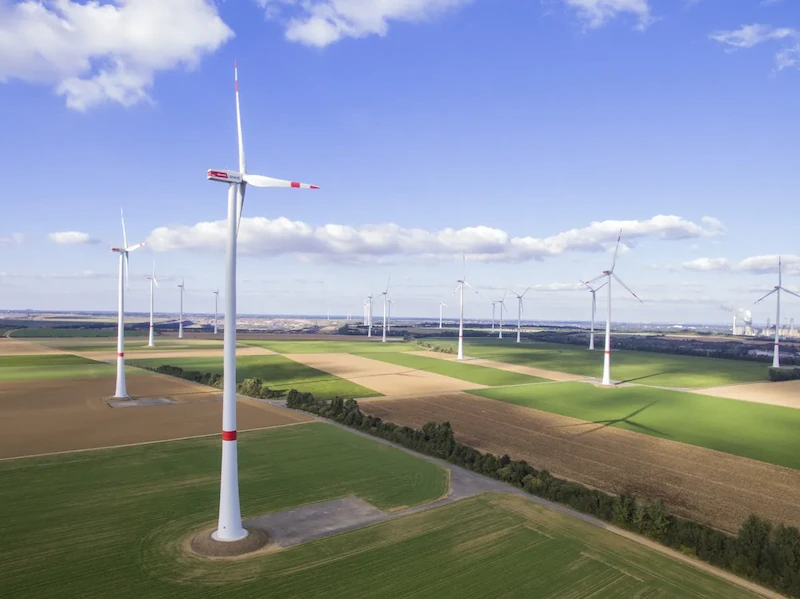


In a potential blow to Germany's onshore wind energy sector, proposed amendments to energy legislation could stall the expansion of about 1,000 projects, warns an industry group. The draft bill, currently before parliament, aims to eliminate a pre-approval process for certain wind farms, a move that could lead to the mass rejection of permit applications, according to Hans-Josef Vogel from the German Renewable Energy Federation's North-Rhine Westphalia chapter.
The surge in onshore wind approvals last year, following streamlined regulations, was a response to the need for energy diversification amid disruptions in gas supply from Russia. The government had prioritized renewable projects as vital for national security and mandated states to set aside land for wind turbines.
However, growing local opposition against the visual impact of wind farms has gained momentum, notably in North-Rhine Westphalia, where protests have escalated. The proposed legislative changes, often seen as environmentally intrusive by affected communities, have managed to secure broad support in parliament, illustrating rare cross-party cooperation, even amidst pre-election tensions.
While parties like the conservative CDU/CSU and the Green Party endorse the energy package as pivotal for the energy transition, critics like the far-right AfD threaten to dismantle existing wind parks if they gain power. The CDU/CSU's shift in favor of regional planning autonomy, despite prior reservations about wind turbines, reflects the conflicting viewpoints within the political landscape.
The implications of the proposed bill extend beyond bureaucratic changes, affecting stakeholders like SL NaturEnergie, which anticipates losing around 20 plant locations due to the amendments. The Free Democrats have criticized the rushed nature of the legislative process, suggesting that lawmakers haven't had adequate time to scrutinize the bill.
In addition to the onshore wind sector, the energy package also introduces measures to reduce solar-energy subsidies, expedite smart meter installations, support combined heat and power plants, and promote bioenergy. As the German energy transition continues to evolve, balancing conflicting interests and ensuring sustainable growth in renewable energy remains a complex challenge.