




A significant tuberculosis outbreak in the Kansas City area has emerged as one of the largest ever documented in the United States, with health officials confirming dozens of active cases of the infectious disease. As of January 24th, there have been 67 reported active cases of tuberculosis in Wyandotte and Johnson counties in Kansas.
The outbreak, which originated last year, has left officials grappling to pinpoint the exact source. The Kansas Department of Health and Environment is currently overseeing the monitoring of 384 individuals for potential TB exposure, providing essential testing and treatment services. A spokesperson emphasized that despite the scale of the outbreak, the risk to the general public remains relatively low.
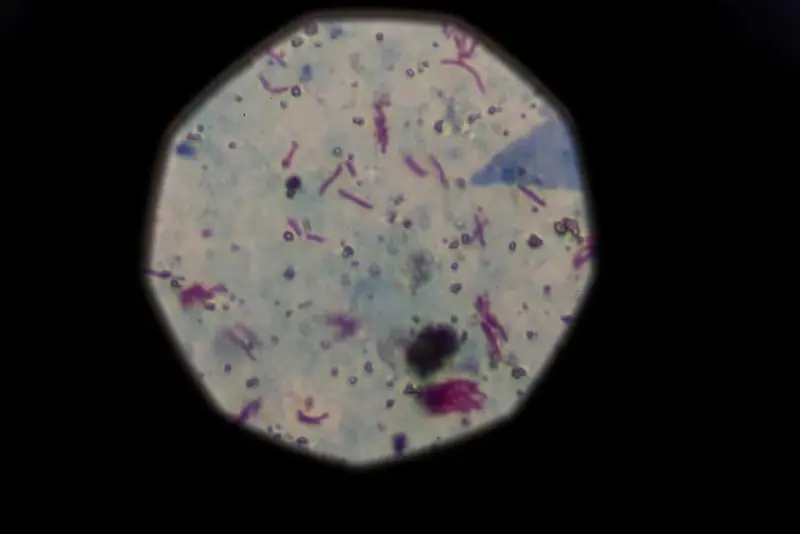
Tuberculosis, a respiratory illness transmitted through the air, is caused by a bacterium that primarily affects the lungs but can also affect other organs such as the brain. If left untreated, tuberculosis can be fatal. Individuals can carry tuberculosis germs in their bodies for years without displaying symptoms, known as latent TB, which can later develop into active tuberculosis if left unchecked.
Since 2024, 79 latent infections have been reported in the Kansas City, Kansas, region, highlighting the urgency of addressing the current outbreak. The Centers for Disease Control and Prevention (CDC) has dispatched four personnel to assist with contact tracing, testing, and community health education efforts.
In 2021, the U.S. saw 8,649 tuberculosis cases, surpassing the 9,606 cases reported in 2023. Tuberculosis has also overtaken COVID-19 as the leading cause of infectious disease-related deaths, as indicated by a World Health Organization report published in October, showcasing the ongoing challenges in combatting the disease globally.
While tuberculosis can affect anyone, it is more prevalent among individuals living in crowded environments or frequenting countries where the disease is endemic. The most notable tuberculosis outbreak in the U.S. occurred between 2015 and 2017 at a homeless shelter in Georgia, resulting in over 170 active cases and more than 400 latent cases as per CDC data, which has been tracking TB cases since the 1950s.