


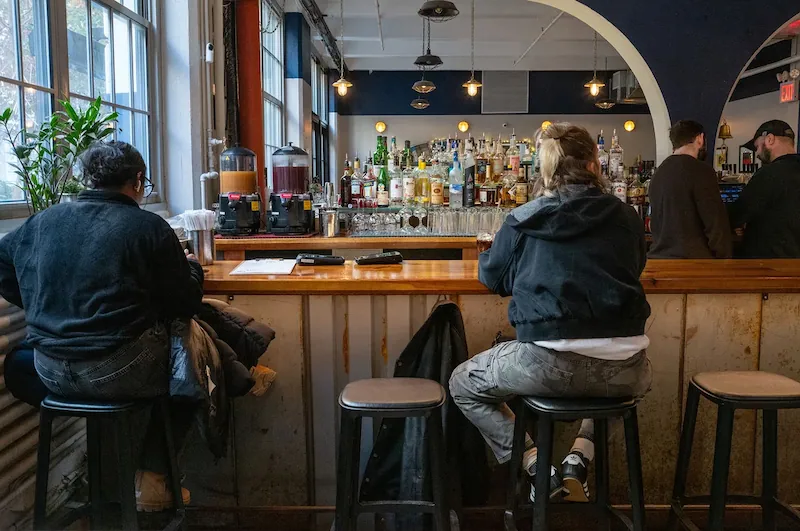


In a changing landscape where alcohol consumption remains high but social connections dwindle, Americans find themselves at a crossroads. The tradition of Dry January, a month-long break from alcohol, highlights the ongoing struggle between health consciousness and the allure of social interaction. While the Surgeon General's warnings about alcohol's detrimental effects on health are well-founded, the overlooked impact of social isolation raises equally concerning alarms.
As Americans increasingly opt to consume alcohol at home rather than in public spaces, the repercussions on community engagement and mental well-being become apparent. Loneliness, labeled an "epidemic" by the Surgeon General, poses significant health risks akin to those of smoking. Yet, the decline in neighborhood bars and communal gathering spots leaves individuals yearning for connection and camaraderie.
Matt Lindner, a seasoned participant in Dry January, acknowledges the vital role alcohol plays in fostering in-person friendships at local bars. He reflects on the challenges of making friends as one ages and emphasizes the social benefits that alcohol can bring. However, the line between social drinking and health risks blurs, necessitating a nuanced understanding of the choices individuals make.
While economic prosperity continues to rise, social trends point towards a decline in community engagement. The loss of shared spaces and the rise in solitary activities at home reveal a stark reality. Anna Aebli, a resident of Tampa, Florida, articulates this sentiment as she grapples with the trade-off between alcohol-fueled socialization and personal well-being.
Public health experts, though focusing on strengthening social infrastructure through institutional support, may inadvertently overlook the role of bars and clubs as vital social hubs. Eric Klinenberg highlights the significance of these venues, even amidst their risks, in fostering relationships and community bonds.
As Americans navigate the perils of alcohol consumption and societal shifts, Gary Burrow's choice to forgo nightly wine in favor of healthier alternatives underscores the growing awareness of alcohol's health risks. The surge in alcohol consumption during the pandemic further complicates the narrative, as individuals seek solace and connection through drinking.
In addressing the closure of social spaces and the rise of opioid addiction in deprived communities, researchers underscore the profound impact of the absence of leisure activities. The closure of bars and recreational establishments not only exacerbates social isolation but also contributes to unsafe behaviors and substance abuse.
Reimagining the role of bars and devising innovative solutions to foster social connections without relying solely on alcohol emerges as a pressing challenge. Charles Branas advocates for a balance between social interaction and responsible drinking, emphasizing the importance of maintaining safe and communal spaces for connection.
As the divide between alcohol's allure and its health risks widens, a nuanced approach to social interaction, community-building, and individual well-being becomes essential. In a world grappling with loneliness and excess, finding creative solutions to maintain social ties without compromising health remains a critical endeavor.