


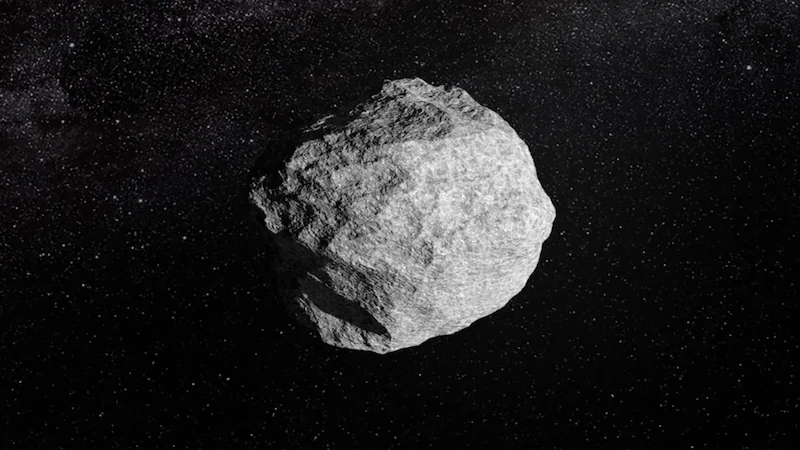


Following the recent discovery of asteroid 2024 YR4, space agencies such as the European Space Agency (ESA) and NASA are closely monitoring its trajectory. With a 1.2% chance of impacting Earth on December 22, 2032, the asteroid has sparked concern due to its estimated size of 131 to 328 feet (40 to 100 meters). Although the likelihood of impact is low, the potential consequences of a collision could be devastating, with the asteroid's estimated speed of 17 kilometers per second posing a significant risk.
Initially spotted by the Asteroid Terrestrial-impact Last Alert System (ATLAS) telescope in Chile, the discovery of 2024 YR4 elevated its status on the ESA and NASA's risk lists. The asteroid's movements are being closely tracked using various telescopes, including the Magdalena Ridge Observatory, the Danish Telescope, and the Very Large Telescope in Chile. These observations aim to refine estimates of its size and trajectory, reducing uncertainties and enabling more accurate predictions.
As the asteroid moves further away from Earth, scientists are determined to gather as much data as possible before it potentially reappears in 2028. Collaboration between international asteroid response groups, such as the International Asteroid Warning Network and the Space Mission Planning Advisory Group, is essential in developing strategies to mitigate any potential impact. This includes assessing options for asteroid deflection or evacuation measures in affected areas.
Furthermore, recent advancements in asteroid deflection technology, exemplified by NASA's DART mission and the upcoming ESA Hera mission, have showcased promising results in altering the course of celestial objects. These missions provide essential insights into the effectiveness of deflection tactics, offering hope for future scenarios where similar strategies may be required to safeguard Earth from potential impacts.
While the discussion of mitigation measures remains premature in the case of 2024 YR4, ongoing observations and data collection are paramount. By continuously tracking the asteroid, scientists aim to minimize positional uncertainties and ultimately rule out the possibility of impact, ensuring the safety of our planet.