




In a bold move to usher in a new era for one of the world's most iconic museums, French President Emmanuel Macron has announced the launch of the "Louvre New Renaissance" project. This ambitious endeavor aims to transform and modernize the Louvre over the next decade, addressing long-standing issues such as overcrowding and outdated facilities.
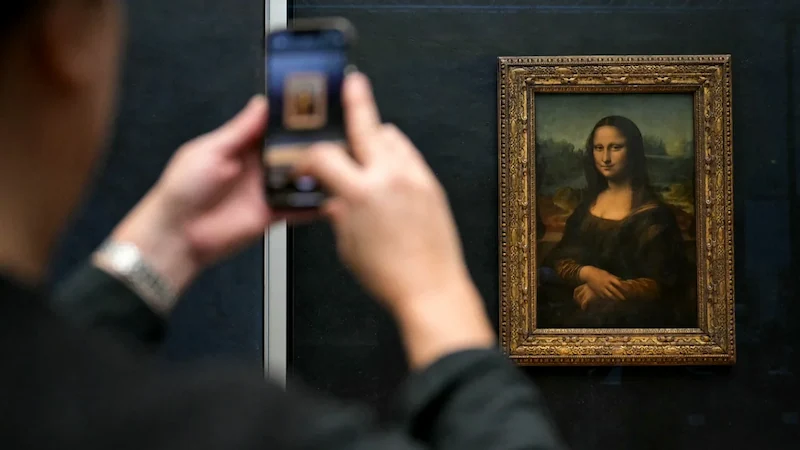
Central to the renovation plans is the creation of a dedicated room for the "Mona Lisa," Leonardo da Vinci's masterpiece that has captivated millions of visitors. This move will not only streamline the visitor experience but also allow other notable works in the museum, often overshadowed by the famous painting, to garner the attention they deserve.
The project will also include a new entrance near the River Seine, set to open by 2031. Financed through a combination of ticket sales, patronage, and revenues from the Louvre's Abu Dhabi branch, this new entrance will mark a significant step towards enhancing accessibility and visitor flow within the museum.
The cost of the renovation is estimated to be substantial, ranging from 700 to 800 million euros over the next decade. Macron has hinted at a rise in ticket prices for non-EU visitors to bolster funding for the project, ensuring a safer and more comfortable experience for both visitors and staff.
Louvre Director Laurence des Cars recently raised concerns about the museum's deteriorating state, citing issues such as water leaks and temperature variations endangering the preservation of artworks. The iconic glass pyramid, unveiled in the 1980s, now faces scrutiny for its lack of insulation and noise amplification issues.
As the Louvre embarks on this transformative journey, balancing preservation with modernization, it seeks to maintain its status as a cultural beacon while adapting to the evolving needs of its global audience.