


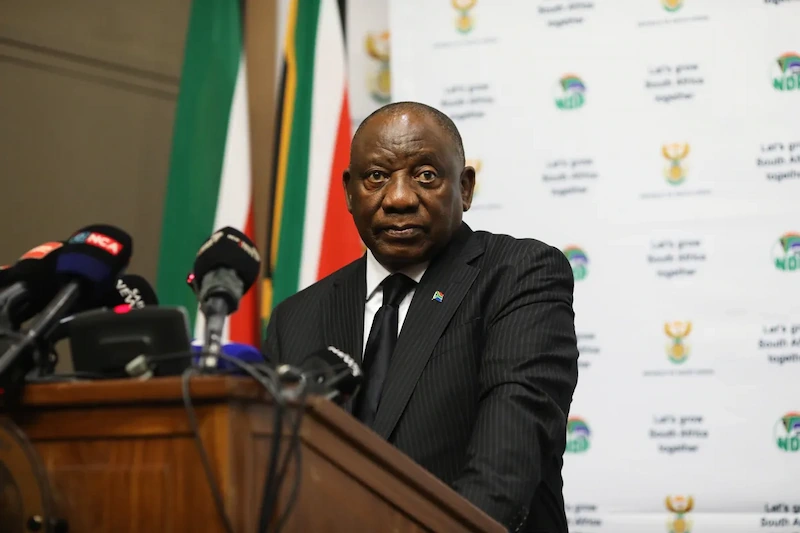


After months of internal strife between the African National Congress and the Democratic Alliance, South Africa's ruling coalition appears to have found its footing once again. President Cyril Ramaphosa's government of national unity, formed after the ANC lost its parliamentary majority in May elections, was initially plagued by disagreements over key legislation on health care, land expropriation, and education. These tensions had raised concerns about the coalition's longevity and had a negative impact on South African asset prices.
However, a recent breakthrough has been reached, with a key compromise being made regarding a controversial provision in a health-insurance law. The provision, which posed a threat to the viability of private medical-insurance companies, will now be dropped. Additionally, both the DA and the ANC have committed to addressing their differences on laws related to land expropriation and school admission policies through collaborative efforts.
Despite disagreements, DA leader John Steenhuisen emphasized the importance of working within the government to advocate for economic growth and job creation. The DA's decision to join the government last year was motivated by its goal to prevent the ANC from forming alliances with populist groups and to contribute positive change to the country's governance.
President Ramaphosa is set to deliver a state-of-the-nation address, where he is expected to showcase the achievements of his administration and outline future priorities. While the ANC remains committed to pursuing its own agenda, the government of national unity has been described as working well, with ministers from various parties collaborating effectively.
Although progress has been made in addressing issues such as power shortages and immigration reform, challenges persist in revitalizing the stagnant economy, improving local governance, and reducing high unemployment rates. The success of the government of national unity moving forward may hinge on the outcomes of the ANC's leadership conference in 2027, where Ramaphosa's successor will be chosen.
Overall, there is a sense of optimism surrounding the ruling coalition as it transcends past disagreements and focuses on advancing the interests of all South Africans. The collaborative efforts and compromises made signal a promising path towards national unity and effective governance in the country.