


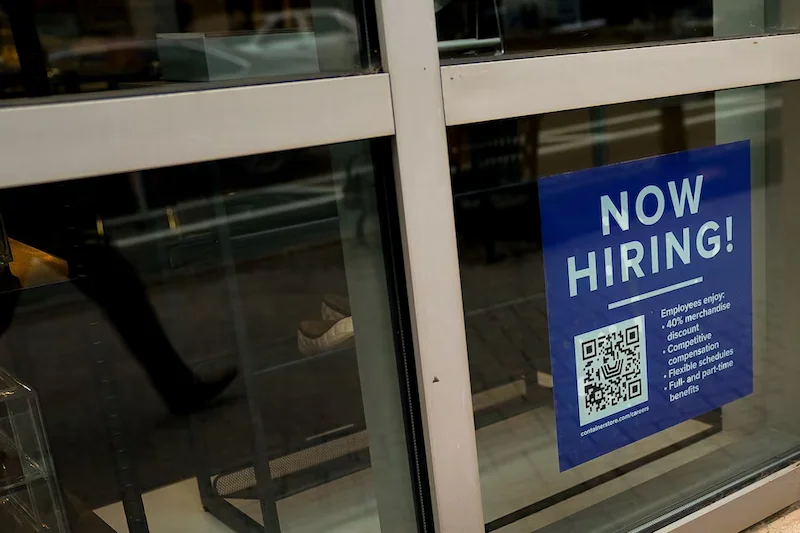


In January, U.S. job growth saw a slowdown, falling below expectations after strong performance in the preceding months. However, the unemployment rate remained at 4.0%, providing the Federal Reserve with a reason to delay any interest rate cuts at least until June.
Despite concerns about potential impacts from President Trump's immigration policies and tariffs on imported goods, the labor market continued to show resilience. The strong wage growth last month, with average hourly earnings increasing significantly, suggests that consumer spending will remain supported.
Although fears of higher prices resulting from tariffs have caused consumers' inflation expectations to rise, the labor market's resilience remains a key driver of economic growth. The latest employment report indicated a moderation in job gains, with the nonfarm payrolls increasing by 143,000 following a significant surge in December.
While the healthcare sector continued to lead in employment gains, other sectors such as restaurants and bars saw declines, possibly impacted by weather conditions. Despite some sectors showing little change in employment, government employment increased, reflecting a significant contribution to job growth.
Although the report revealed a mixed picture with regards to job creation across sectors, the overall health of the labor market has provided the Federal Reserve with room to pause rate cuts. The report's annual benchmark revisions and adjustments underscored the labor market's dynamism, with average hourly earnings rising and the unemployment rate remaining low.
Looking ahead, the Federal Reserve is expected to maintain interest rates as it monitors the impact of economic policies. Financial markets anticipate a rate cut in June, as the labor market continues to play a crucial role in shaping the economic outlook. Overall, while challenges persist, the U.S. labor market's resilience remains a pillar of support for the economy.