




In the picturesque Argolida region of southern Greece, the landscape tells a story of water woes. Cracks in irrigation canals allow precious water to escape, while ageing pipes underground leak more than half of the pumped supply. With reservoir levels dwindling in the scorching summer months, residents in Nafplion are cautioned against consuming the brackish, contaminated water that fills their taps.
The European Union has launched a proactive campaign to address the climate change-induced water crisis that is already impacting nearly 38% of its population. EU member states are now on a tight deadline to evaluate and mitigate water leakage issues before facing legal ramifications. This initiative comes at a time when many countries in Southern Europe are grappling with irregular rainfall patterns and soaring temperatures attributed to climate change.
For Greece, a nation on the throes of Europe's sunbaked frontier, the challenges are manifold and costly. The aftermath of a decade-long debt crisis has left infrastructure neglect pervasive, with reports suggesting that Greece loses a staggering half of its potable water supply to leaks and theft - a rate almost double the EU average. The absence of comprehensive maps detailing the country's underground pipeline network further complicates efforts to address these inefficiencies.
Since 2019, Greece has invested over 1.5 billion euros in enhancing its drinking water infrastructure, yet areas like Argolida paint a stark picture of unmet needs. Socrates Doris, the head of Nafplion's municipal water authority, acknowledges the multitude of issues and underscores the importance of securing EU funding for sustainable solutions.
Prime Minister Kyriakos Mitsotakis has pledged to tackle Argolida's water challenges head-on, promising to expand irrigation networks and deploy desalination units to counteract water salinity. However, government officials stress the urgency of addressing fundamental system deficiencies before implementing quick fixes. With leakage rates in some regions soaring to 80%, the enormity of the task at hand looms large against a backdrop of constrained resources.
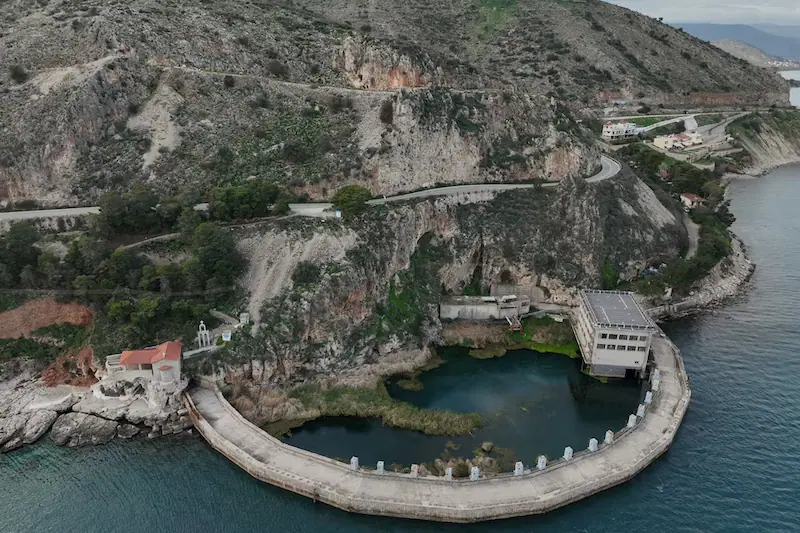
Beyond accessibility concerns, water scarcity in Argolida compromises water quality, with authorities resorting to blending contaminated sources like the brackish water from the Anavalos submarine spring with dwindling freshwater reserves. Tests conducted between 2022 and 2024 unveiled elevated levels of chlorides and sodium, posing health risks to vulnerable populations.
The plight extends to municipalities like Ermioni, where a mere 8% of residents have constant access to safe drinking water, forcing many to rely on plastic bottled alternatives. This reliance not only exacerbates environmental challenges but also presents daily hardships for locals like Evi Leventi, who bemoans the adverse effects of poor water quality on household appliances.
In the parched expanses surrounding these coastal towns, farmers like George Mavras dig deep in a desperate search for water, often encountering saline groundwater due to seawater intrusion into depleted aquifers. Amidst a two-year drought, these farmers cling to hope for rainy winters, recognizing the indispensability of every precious drop.
As Greece navigates its water crisis amid the throes of climate change, the road ahead is fraught with complexities. Urgent action, bolstered by sustainable investments and cohesive strategies, is imperative to secure a water-resilient future for generations to come.