


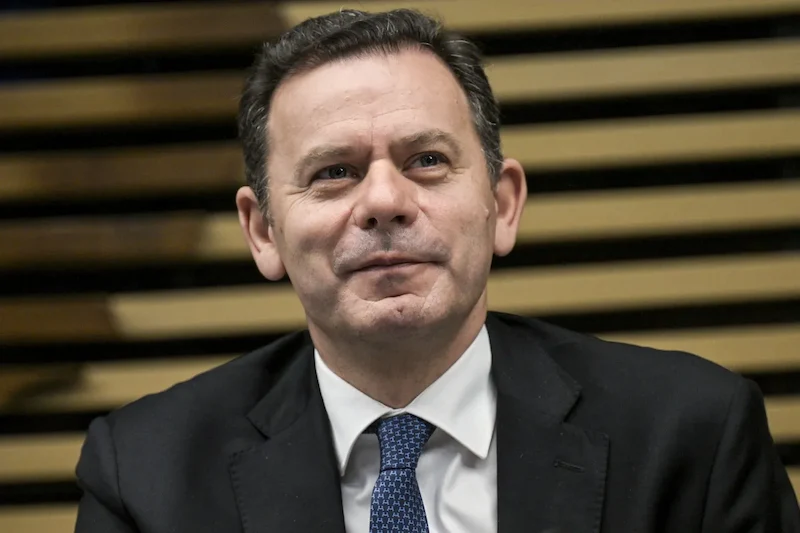


In a significant display of parliamentary unity, Portuguese Prime Minister Luis Montenegro's minority government managed to withstand a censure motion brought forward by the far-right party Chega, thanks to the backing of opposition parties including the Socialists.
Chega's motion ultimately failed as only its own lawmakers voted in favor, with Socialist leader Pedro Nuno Santos firmly rejecting the proposal and denouncing it as a ploy to divert attention from the internal turmoil within the far-right party. The move was seen as an attempt by Chega to raise questions about a company owned by the premier's family, purportedly to insinuate a conflict of interest in relation to recent changes to land legislation.
In response, Prime Minister Montenegro clarified that the company in question was established during a period when he was not involved in politics, dismissing any claims of a conflict of interest as baseless. The Socialists' decision to abstain from voting in November on the center-right government's budget further emphasized a willingness to collaborate and ensure governmental stability.
Montenegro's administration, formed after a narrow electoral victory over the Socialists, continues to navigate its minority status by seeking support from various political factions for critical legislation and policy initiatives. The need for compromise has become evident, with key policy decisions, such as tax cuts, requiring concessions to secure broader backing in a finely balanced political landscape.