


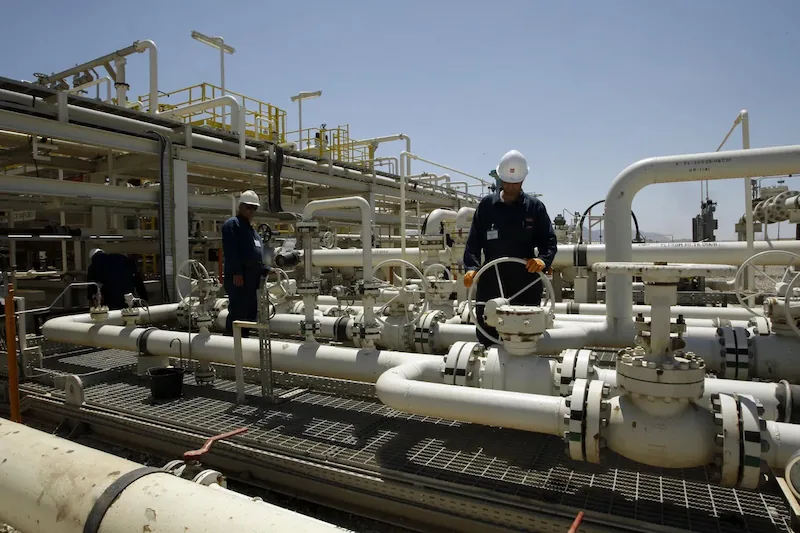


Iraq's oil ministry reiterated its readiness to resume exports from the semi-autonomous region of Kurdistan through a pipeline to Turkey that has been inactive for nearly two years. Despite previous assurances from both Iraq and Turkey about restarting oil flow, the pipeline remains closed.
The impending restart raises questions about the exact timeline for oil shipments to recommence. While Baghdad has urged Kurdish officials to begin delivering crude to state marketeer SOMO in accordance with budget laws and OPEC production limits, no specific date has been set for the resumption.
Restarting exports through the pipeline presents a dilemma for Iraq, as the country is committed to reducing oil output as part of the OPEC+ agreement - a commitment it has struggled to uphold in the past. Against the backdrop of increasing scrutiny on OPEC's production and export levels, the timing of the pipeline reopening is crucial.
The pipeline predicament originated in March 2023 when Turkey closed the link following a court order for Iraq to pay $1.5 billion in damages. Initially citing the need for repairs after earthquakes, Turkey later declared readiness for operations, placing the onus on Iraq to initiate oil flows. Despite stalled negotiations over technical and financial matters, recent developments, including Iraq's budget amendment enabling higher oil production and transportation fees, signal progress towards resolving the impasse.
As the impasse nears a potential conclusion, the spotlight remains on the intricate dynamics shaping the oil export landscape in the region, underscoring the significance of the pipeline's reopening in reestablishing crucial energy flows.