


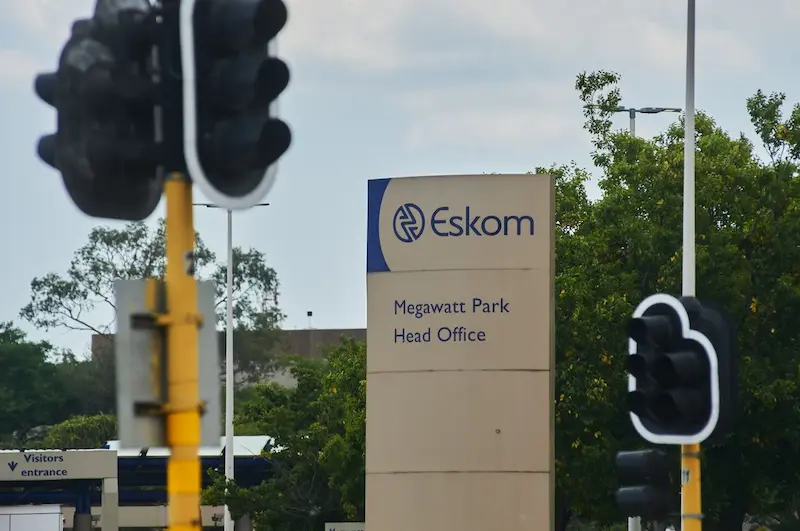


In a sudden turn of events, South Africa has been plunged back into an energy crisis as Eskom Holdings SOC Ltd., the state utility, enforces Stage 6 power cuts for the first time in a year. The decision comes after multiple generating units failed, forcing the company to take 6,000 megawatts offline. This move follows the initial implementation of Stage 3 power cuts, which escalated due to further coal-fired unit failures and planned maintenance shutdowns totaling almost 7,000 megawatts of capacity.
Despite the setback, Electricity Minister Kgosientsho Ramokgopa remains optimistic about the nation's power supply trajectory, asserting that efforts to achieve consistent and sufficient electricity are on the right path. He acknowledged the inherent risks associated with power generation but assured that measures are in place to mitigate such challenges, even in unexpected situations like the recent station outage.
Eskom's CEO, Dan Marokane, detailed ongoing repairs to the utility's predominantly coal-fired plants, which account for over 80% of South Africa's electricity generation. Marokane expressed confidence that uninterrupted power supply would be restored by the end of the week, emphasizing the progress made in ensuring stability thus far.
The return of loadshedding poses a threat to the country's fragile economic recovery following past utility performance issues. Previous power cuts had significant economic repercussions, with estimates suggesting losses of up to 899 million rand ($49 million) daily, a factor that contributed to political shifts in last year's elections.
While the latest disruptions raise concerns about Eskom's reliability, Minister Ramokgopa stresses that decisions are made with a long-term view, prioritizing the grid's well-being and the economy. The ongoing two-year generation recovery plan, set in motion in March 2023, nears completion, offering hope that loadshedding will soon be a thing of the past, leaving behind a more resilient power infrastructure for South Africa.