


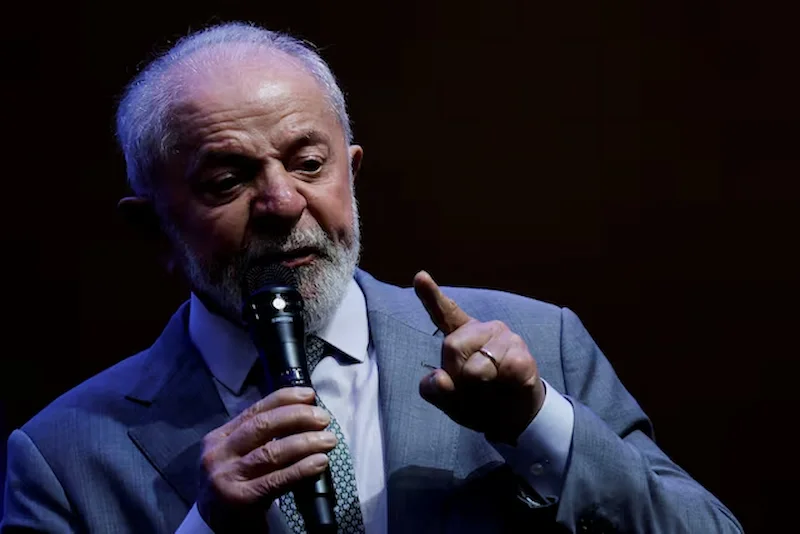


In a recent CNT/MDA poll, support for Brazilian President Luiz Inacio Lula da Silva has taken a sharp decline, falling behind his disapproval ratings, signaling a shift in public sentiment towards the leftist leader. As Brazil gears up for a crucial presidential election next year amid growing concerns over rising consumer prices, the political landscape in Latin America's largest country is becoming increasingly tumultuous.
According to the survey, 44% of respondents now view the Lula administration negatively, a significant increase from 31% in the previous poll conducted in November. Moreover, only 29% of participants expressed a positive outlook, down from 35% previously. When it comes to evaluating Lula's performance as president, 55% now disapprove, marking a notable rise from the 46% dissatisfaction rate recorded in November. Conversely, the approval rate has slipped to 40%, down from 50% in the prior survey.
The poll, which involved 2,002 in-person interviews conducted from February 19-23, indicated a margin of error of plus or minus 2.2 percentage points. CNT's executive director, Bruno Batista, acknowledged the mounting pressure on the government, emphasizing that current concerns primarily revolve around escalating prices, a pivotal issue for disgruntled voters.
With Brazil grappling with an annual inflation rate of 4.96%, the highest since late 2023, Lula has been forced to address the public's apprehensions about rising food prices, despite maintaining that overall inflation remains within manageable limits. As the 79-year-old leader contemplates a potential reelection bid amidst growing health uncertainties and his main right-wing opponent, former President Jair Bolsonaro, facing a ban from holding public office, the political landscape in Brazil appears increasingly uncertain.
Several recent polls have also highlighted a negative shift in public perception towards Lula as he navigates the midpoint of his third non-consecutive term. Nevertheless, the president remains optimistic, suggesting that it is premature for voters to form a definitive opinion about his administration at this stage. As the election season unfolds, the trajectory of public sentiment and the choices made by political contenders will undoubtedly shape the future course of Brazilian politics.