


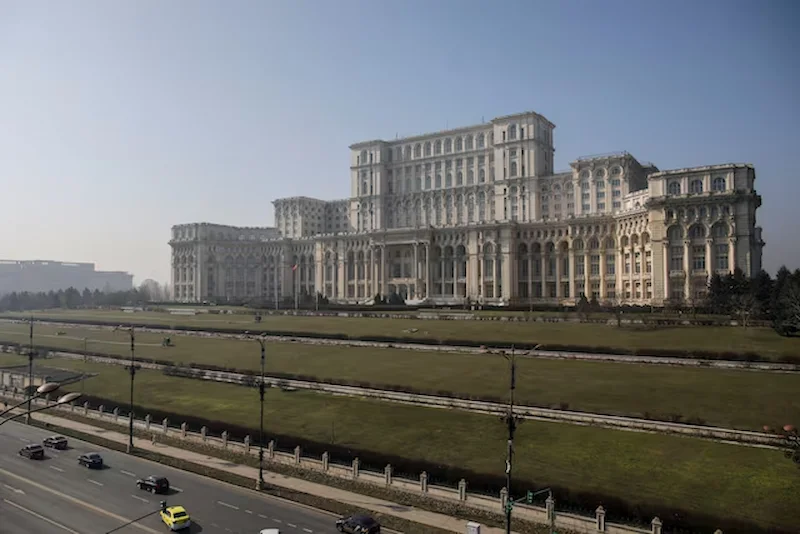


In a bold move to assert their influence, Romania's three opposition far-right parties have lodged a motion of no confidence against the current pro-European coalition government. Despite the motion being likely to fail, the Alliance for Uniting Romanians (AUR), SOS Romania, and the Young People's Party (POT) seek to bolster their public image as the country gears up for a re-run of the presidential election.
Having collectively garnered 35% of parliamentary seats in the December 1 election, these parties tapped into public discontent with a corruption-tainted centrist establishment. The no-confidence motion accuses the two-month old government of corruption and a loss of credibility, setting the stage for a high-stakes showdown in Romanian politics.
Political observers anticipate the current Social Democrat-led coalition to weather the storm of the no-confidence vote. However, this initiative is another strategic move by the far-right parties to assert their presence as Romania braces for a repeat of a previously annulled presidential election that saw the rise of a controversial far-right NATO critic, Calin Georgescu.
The three opposition parties had earlier sought to impeach President Klaus Iohannis, prompting his resignation and placing the speaker of parliament as the interim head of state until the forthcoming election in May. The cancellation of last year's presidential election, following Georgescu's initial triumph and subsequent allegations of foreign interference, has plunged Romania into a complex political crisis.
Notably, the decision to annul the election drew sharp criticism from figures in the U.S. government, with Vice President JD Vance questioning Romania's alignment with American values. Tech mogul Elon Musk also weighed in, labeling the chief judge responsible for annulling the vote as a "tyrant." Musk's online interactions, including reposting Georgescu's content, indicate an unconventional global spotlight on Romanian politics.
Georgescu, a divisive figure known for controversial statements and admiration for authoritarian leaders, maintains a strong lead in the public preference for the presidency according to polls. With the upcoming election projected to be another pivotal moment for Romania's political landscape, the far-right parties' strategic maneuvers and the ongoing turmoil underscore the country's complex journey towards a new political era.