


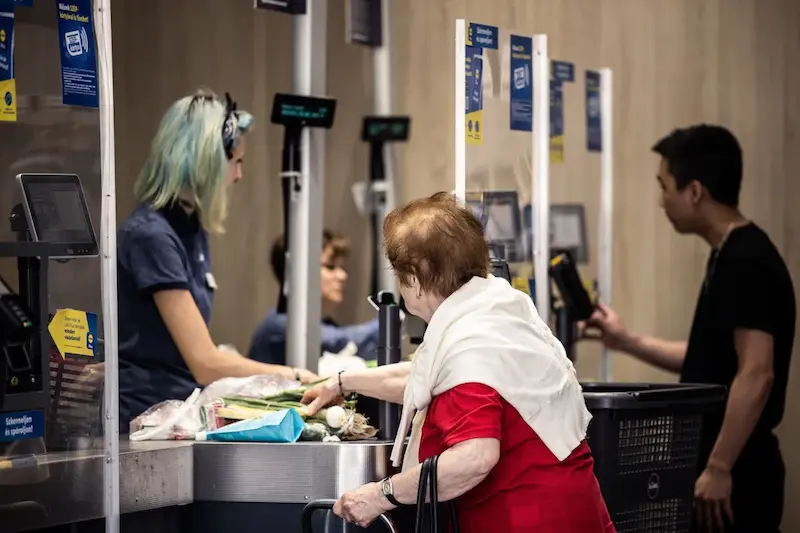


In response to the escalating inflation and rising food prices gripping the nation, Hungary is taking decisive action by considering the imposition of profit curbs on retailers. The government, led by Prime Minister Viktor Orban, aims to address the cost-of-living crisis that has significantly impacted the populace and eroded support for the ruling Fidesz party ahead of the crucial parliamentary elections scheduled for the second quarter of 2026.
Cabinet Minister Gergely Gulyas disclosed that the profit curbs on retailers mark just the initial phase in the government's strategy to tackle the surging prices of basic commodities. This move could potentially set the stage for the reintroduction of price caps on essential food items, although specific details on the financial implications of these measures were not provided.
Driven by steep hikes in food and service costs, annual inflation in Hungary soared to a 13-month high, peaking at 5.5% in January. The pressing need to rein in these escalating prices has prompted the Hungarian government to take proactive steps to safeguard consumers from the adverse effects of inflationary pressures.
As Hungary braces itself for the upcoming elections, the focus on addressing the economic challenges faced by its citizens has become paramount. By implementing stringent measures to control profit margins and potentially reintroducing price caps on essential goods, the government is signaling its commitment to mitigating the impact of inflation and ensuring the welfare of the Hungarian population.