


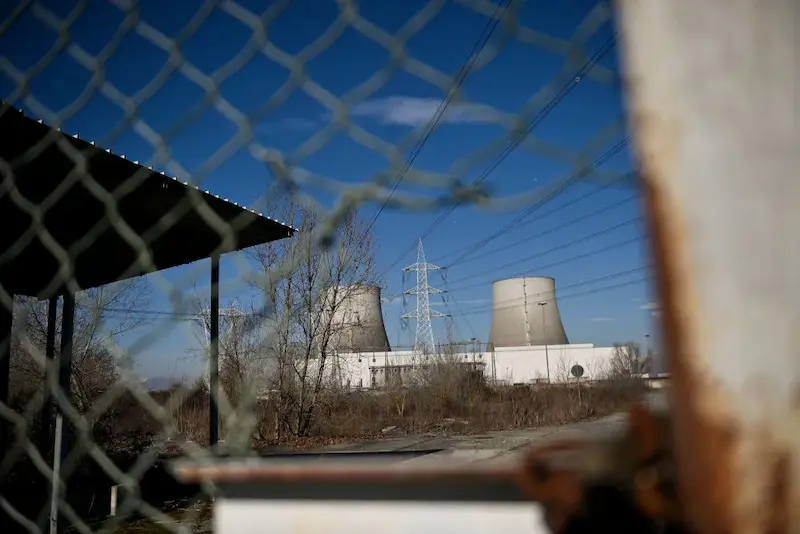


Italy's decision to change its stance on nuclear power generation was solidified with the approval of a new legal framework by Prime Minister Giorgia Meloni's cabinet. This move aims to overturn the longstanding ban on nuclear energy in the country, which has been in place since the 1980s.
The approved legislation outlines plans for the implementation of fusion technology and sustainable energy sources for power production. It provides the government with the authority to determine the appropriate technology to be used and the designated sites for nuclear plants in Italy. Additionally, the framework empowers the government to create a series of legislative decrees and establish a strategic plan for national energy development by 2027.
Energy Minister Gilberto Pichetto Fratin emphasized the importance of incorporating new-generation nuclear power alongside renewable energy sources to achieve decarbonization goals and ensure energy security for the nation. The Environment and Energy Ministry will receive funding of €20 million annually from 2027 to 2029 to support the implementation of this plan.
Despite Italy's historical aversion to nuclear energy, the government under Meloni's leadership has been advocating for investments in the nuclear industry since taking office in 2022. This shift in policy has gained momentum due to the energy crisis resulting from the conflict in Ukraine and the subsequent surge in gas prices, prompting the need for diversification of energy sources.
In light of these developments, Italy has unveiled plans for a subsea electricity connection with Albania worth €1 billion and is advancing initiatives like the "Mattei" project aimed at enhancing energy security through collaborations with African nations. These strategic moves reflect Italy's commitment to achieving energy autonomy and resilience in the face of global challenges.