


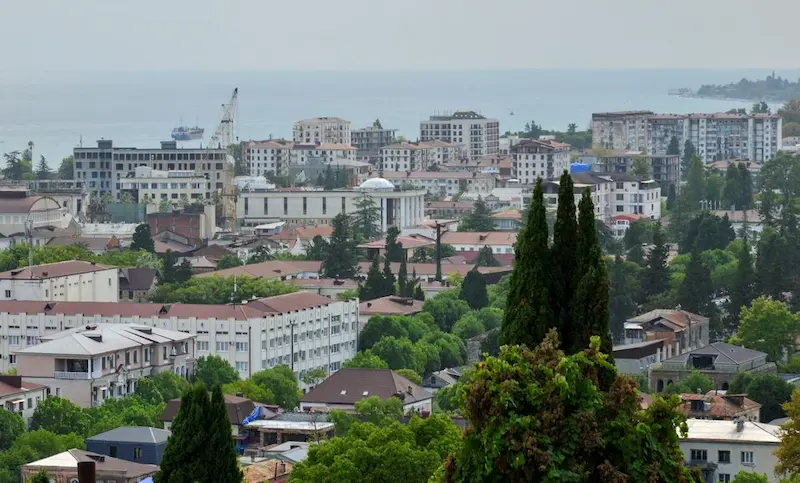


Abkhazia's acting leader, Badra Gunba, has emerged victorious in the recent presidential election held in the breakaway Georgian region, as reported by state media. Securing nearly 55% of the vote, Gunba prevailed over opposition leader Adgur Ardzinba, who garnered just under 42%. The election comes on the heels of the ousting of Gunba's predecessor, Aslan Bzhania, following widespread protests against a controversial investment agreement with Russia.
The outcomes of this election have elicited strong responses from various quarters. Georgia, which considers Abkhazia to be part of its territory, condemned the election as a "flagrant violation of Georgia's sovereignty and territorial integrity." However, the region's electoral commission has declared Gunba the winner, setting the stage for his formal assumption of the presidency.
Gunba, expressing gratitude to the voters, affirmed his commitment to advancing Abkhazia's autonomy, freedom, and prosperity. With the region facing challenges such as an ongoing electricity crisis due to low water levels at a hydroelectric plant and the energy-intensive practice of cryptocurrency mining, Gunba's leadership will be crucial in addressing these pressing issues.
Abkhazia's tumultuous political landscape has seen leadership changes through popular uprisings, with Gunba becoming the third leader to step down amidst public demonstrations since 2014. Despite being predominantly supported by Russia and backed by Moscow's recognition of its independence following the 2008 war, Abkhazia has faced internal dissent over perceived excessive Russian influence.
Russian President Vladimir Putin has extended congratulations to Gunba on his electoral victory, further underscoring the close ties between Abkhazia and Russia. The region's complex history, marred by conflicts and displacement, continues to shape its political dynamics and relations with neighboring countries.
As Badra Gunba prepares to assume full presidential responsibilities, the future of Abkhazia hangs in the balance, caught between its quest for independence and the challenges posed by regional geopolitics.