


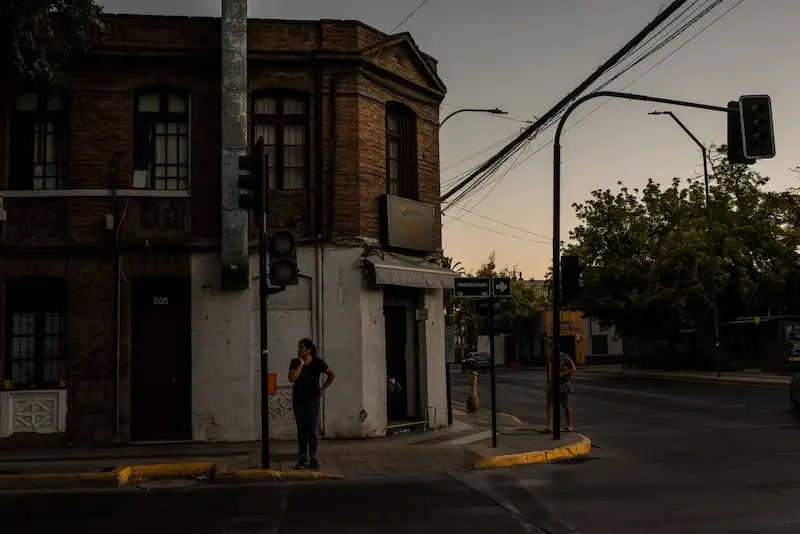


President Gabriel Boric of Chile has emerged unscathed from the aftermath of the country's largest blackout in over a decade, maintaining a steady approval rating despite the chaos that ensued. The nation is currently focused on identifying those responsible for the rare failure that plunged most of the population into darkness and disrupted the operations of the world's largest copper mines.
Recent polls by Cadem and Pulso Ciudadano show that Boric's approval rating remains unchanged, with the majority of the population pointing the finger at the electric companies for the blackout. While the government declared a state of emergency and imposed a curfew to prevent any potential disorder, Boric continues to face challenges in boosting support as the opposition maintains a lead in opinion polls ahead of the upcoming November election.
The power outage, which lasted over 12 hours in some regions, was a result of a transmission line fault in northern Chile operated by ISA Interchile, a unit of Colombia's Interconexion Electrica SA. The failure left millions of homes without electricity and raised questions about the resilience of the country's energy infrastructure.
Despite criticisms of the handling of the crisis by Interior Minister Carolina Toha, who is also a potential presidential candidate, the blame predominantly falls on the electric companies. The mining industry, especially copper operations, bore the brunt of the blackout with significant disruptions to their production activities.
As investigations into the blackout continue, investors are keen to understand the root causes behind the system failure and evaluate the need for strengthening Chile's transmission system. Industry fines and compensations for affected clients are expected to amount to significant sums, highlighting the economic repercussions of the blackout.
Moving forward, addressing vulnerabilities in the energy network, improving planning, and enhancing licensing processes will be crucial to prevent similar incidents in the future. The incident has shed light on the challenges faced by Chile's energy sector, particularly in maintaining a stable and reliable power supply in a country with a diverse energy mix.
Despite the aftermath of the blackout, President Boric's resilient support base remains intact, reflecting a steadfast loyalty among his supporters. The road ahead for Boric and his administration involves not only addressing the immediate consequences of the blackout but also implementing measures to bolster the country's energy infrastructure and ensure a more secure and stable electricity supply for all Chileans.