


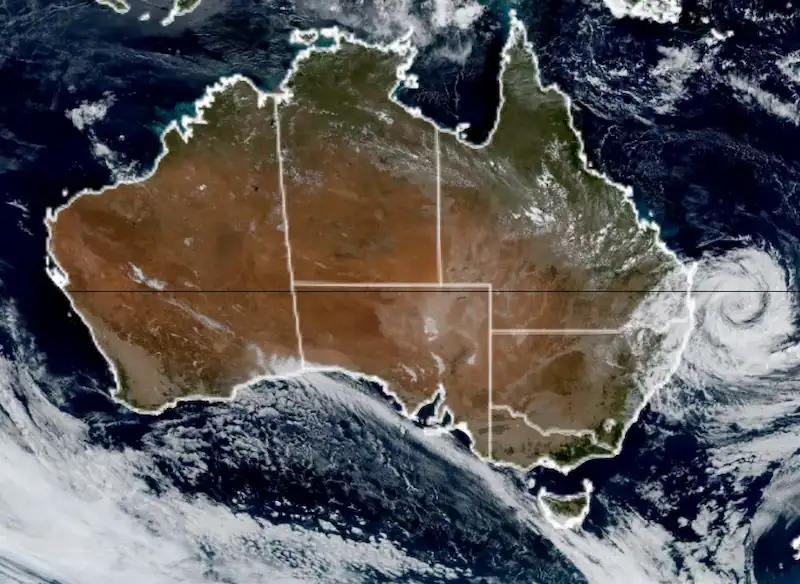


In a turn of events, a looming tropical cyclone off Australia’s northeast coast has thrown a wrench in Prime Minister Anthony Albanese's plans to call an election. Speculation had been mounting that an election announcement was imminent, with many expecting it to be set for April 12 to capitalize on recent economic improvements and a recent interest-rate cut.
However, Cyclone Alfred's menacing approach towards Brisbane, Australia's third-largest city, has forced a reconsideration of this timeline. The potential for torrential rains and widespread flooding in Brisbane renders it inappropriate to announce an election in the aftermath of a natural disaster.
Typically, Australian elections are called on a Sunday, with a minimum campaign period of 33 days leading up to the vote held on a Saturday. Should Albanese miss the Monday deadline for an April 12 ballot due to the cyclone impact, subsequent dates around public holidays seem equally unfeasible.
This development narrows the window for potential election dates to May 3, May 10, or May 17, with the budget scheduled for March 25 remaining unaffected. Albanese, when questioned about election timing, emphasized his focus on governing and declared that it remains his priority.
The Labor government, aiming to leverage any advantage ahead of what is anticipated to be a closely contested election, currently trails the Liberal-National Coalition in polls. Recent positive economic indicators, including the central bank's rate cut, subdued inflation, low unemployment, and improved economic growth, have bolstered the government's narrative. The electoral landscape, previously marred by cost-of-living concerns, presents a more favorable backdrop for the incumbent government.
As the nation awaits the Prime Minister's decision amidst the cyclone threat, the delicate balance of election timing and response to natural disasters underscores the complexity of political decision-making in turbulent times.