




In a bold move, the Canadian province of Ontario has implemented a 25% price hike on electricity exports to three US states, namely Minnesota, Michigan, and New York, as a retaliatory measure against President Donald Trump's tariffs. Premier Doug Ford expressed regret over the decision, emphasizing that it was a direct response to the actions of the Trump administration.
The surcharge of C$10 per megawatt-hour, imposed by Ontario's grid operator, marks a significant increase in the cost of imported electricity for the affected states. Despite the potential symbolic nature of this move, with buyers being able to source power from alternative providers, Ontario stands firm in its commitment to the levy.
The decision to impose the surcharge comes in the wake of US tariffs on Canadian goods, prompting Ontario to take action in support of its workers, families, and businesses. The province estimates potential daily earnings of up to C$400,000 from the surcharge, which is intended to offset the impact of trade tensions on the local economy.
While the impact of the increased prices on the US states is expected to be limited due to their ability to source electricity from various suppliers, Ontario has strategically utilized its leverage to assert its stance in the ongoing trade dispute. Canadian officials, including Foreign Affairs Minister Melanie Joly, have expressed support for the provincial government's actions, recognizing the need to protect Canadian interests in the face of external trade pressures.
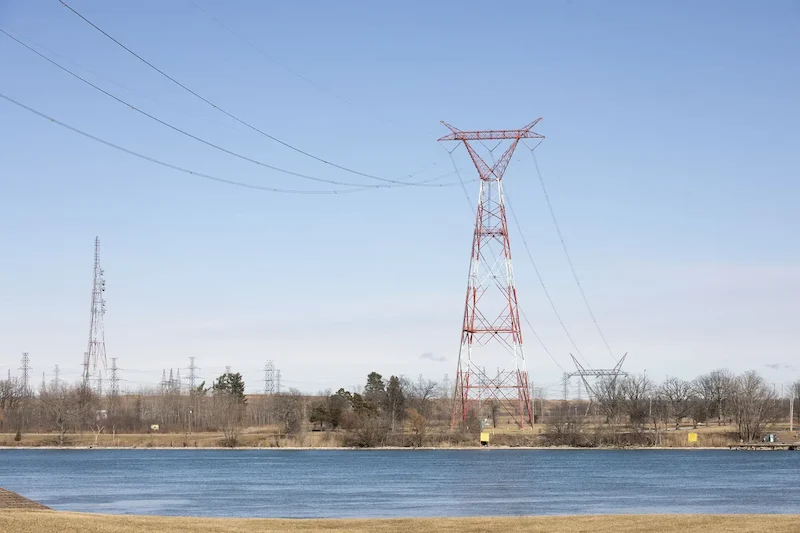
With minimal electricity imports from Ontario, the affected states are unlikely to face significant disruptions in their energy supply. The intricate web of transmission connections between Ontario and the US states highlights the interconnected nature of the North American energy market, underscoring the complexity of trade dynamics in the region. Ontario's calculated response serves as a reminder of the intricate interplay between political decisions and economic consequences in the realm of international trade.