


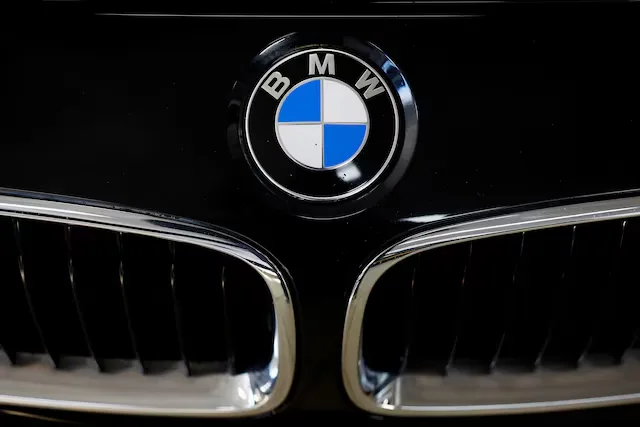


In the midst of an escalating trade dispute between the United States and the European Union, German automaker BMW has projected a potential loss of 1 billion euros due to tariffs this year. The trade tensions have put BMW directly in the crosshairs of the conflict, initiated by U.S. President Donald Trump's imposition of tariffs on steel, aluminium, and vehicles from Mexico, including those manufactured by BMW. In response to these actions, European officials have cautioned against the dire consequences of a full-blown trade war, labeling such a scenario as "idiotic".
French Finance Minister Eric Lombard termed a trade war between the EU and the U.S. as irrational, yet emphasized the bloc's readiness to retaliate in the face of further tariffs. BMW's Chief Executive Oliver Zipse echoed concerns, stating that the company anticipates a significant impact on its 2025 earnings from the newly enforced U.S. tariffs and EU duties on electric vehicles made in China. He described the estimate as conservative, highlighting the uncertainty surrounding the duration of the tariffs.
In the context of these developments, the possibility of additional U.S. tariffs on cars from various countries has been raised by U.S. Commerce Secretary Howard Lutnick. The looming threat of intensified trade conflicts has rattled markets and raised concerns about global economic growth. Market volatility has seen global stocks on track for their weakest weekly performance since September 2024, with the S&P 500 experiencing a notable decline.
The detrimental effects of prolonged trade tensions are not limited to BMW; companies like Tesla have also voiced apprehensions about the impact on their operations. Tesla's sales in Europe have suffered amidst increasing political controversies involving the company's CEO Elon Musk. Uncertainty stemming from the trade disputes has led to a hesitance among firms and consumers to commit to spending, potentially dampening economic activity.
With gold prices breaching $3,000 an ounce and Britain's economy facing unexpected contraction, the ramifications of the trade war are becoming increasingly evident. Leading European figures, including central bank chiefs and the European Central Bank President, have expressed concerns about the negative repercussions of the ongoing conflict on global economic stability. While the trade war may pose challenges to various economies, including the United States, it could also serve to bolster European unity and stimulate governmental spending on vital sectors, according to officials.