


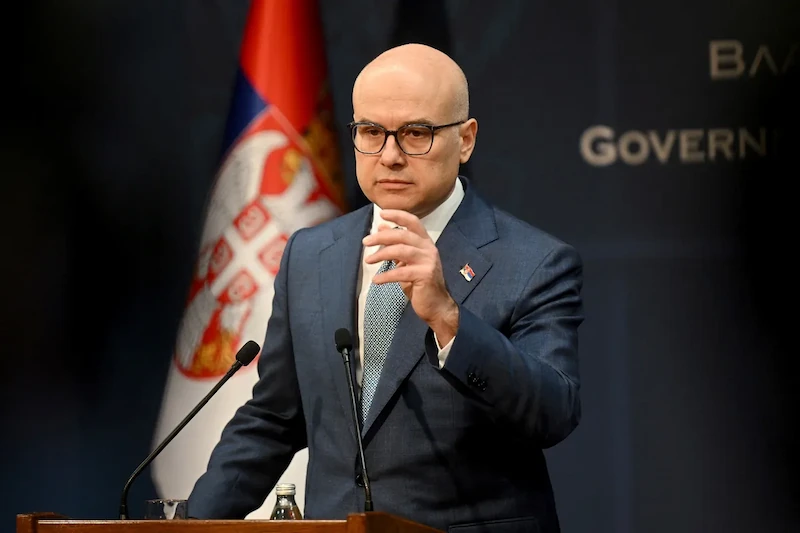


In a monumental decision, Serbian Prime Minister Milos Vucevic's resignation has set the stage for a pivotal moment in the nation's political landscape. With the possibility of a new government formation or a snap election looming, the country finds itself at a crossroads amid widespread anti-graft demonstrations.
Last weekend, an unprecedented gathering of hundreds of thousands in Belgrade marked a significant challenge to President Aleksandar Vucic, who has held a dominant political position for over a decade. The outpouring of public discontent comes in the wake of a tragic event in November when a railway station collapse claimed the lives of 15 individuals, sparking outrage and calls for accountability.
Parliamentary Speaker Ana Brnabic has underscored the urgency of the situation, stating that unless a new government is established by April 18, Serbia may be headed towards early elections. The recent parliamentary session, marred by disruptions and boycotts from opposition lawmakers, highlights the deep fissures in the political landscape.
The discontent that has swept across the country is fueled by allegations of mismanagement and corruption by Vucic and his allies, a sentiment further exacerbated by the railway station tragedy. Despite efforts to quell public anger through arrests of corrupt officials and high-profile ministerial resignations, the protests continue unabated.
While the opposition clamors for a transitional, non-partisan government, Vucic remains steadfast in rejecting such demands, accusing his rivals of attempting a power grab without democratic elections. As Serbia stands at a crucial juncture, the coming days will undoubtedly shape the future course of its political landscape.